← Exit
Module 1 · Understanding COMAH0% complete · 17 slides left
COMAH
COMAH
Module 1
This course contains audio. Use headphones in public places.
Introduction
Introduction

A major accident at a chemical site can injure or kill many people, and cause serious harm to the environment, both on the site and far beyond its fence.

This course explains the Control of Major Accident Hazards Regulations, known as COMAH, as they apply in Great Britain. You will learn how the law relates to your workplace, what operators must do to prevent major accidents, and what you can do to protect yourself, your colleagues, the public and the environment.
Course Aims
Course Aims

By the end of this course, you will be able to:

  • Explain the purpose of COMAH, and the duties it places on operators.
  • Describe how operators notify the Competent Authority, and how inspections and enforcement work.
  • Explain the Seveso Directives, the chemical classification and labelling rules, and the domino effect.
  • Describe what goes into a Major Accident Prevention Policy, a safety management system and emergency arrangements.
  • Explain what must happen after a major accident.
What Is COMAH?
What Is COMAH?

In Great Britain, the law is the Control of Major Accident Hazards Regulations 2015, known as COMAH. They put most of the requirements of the European Seveso III Directive into British law, and continue to apply after the United Kingdom left the European Union.

Their purpose is to prevent major accidents involving dangerous substances, and to limit the consequences for people and the environment if an accident does happen.

Establishments and Operators

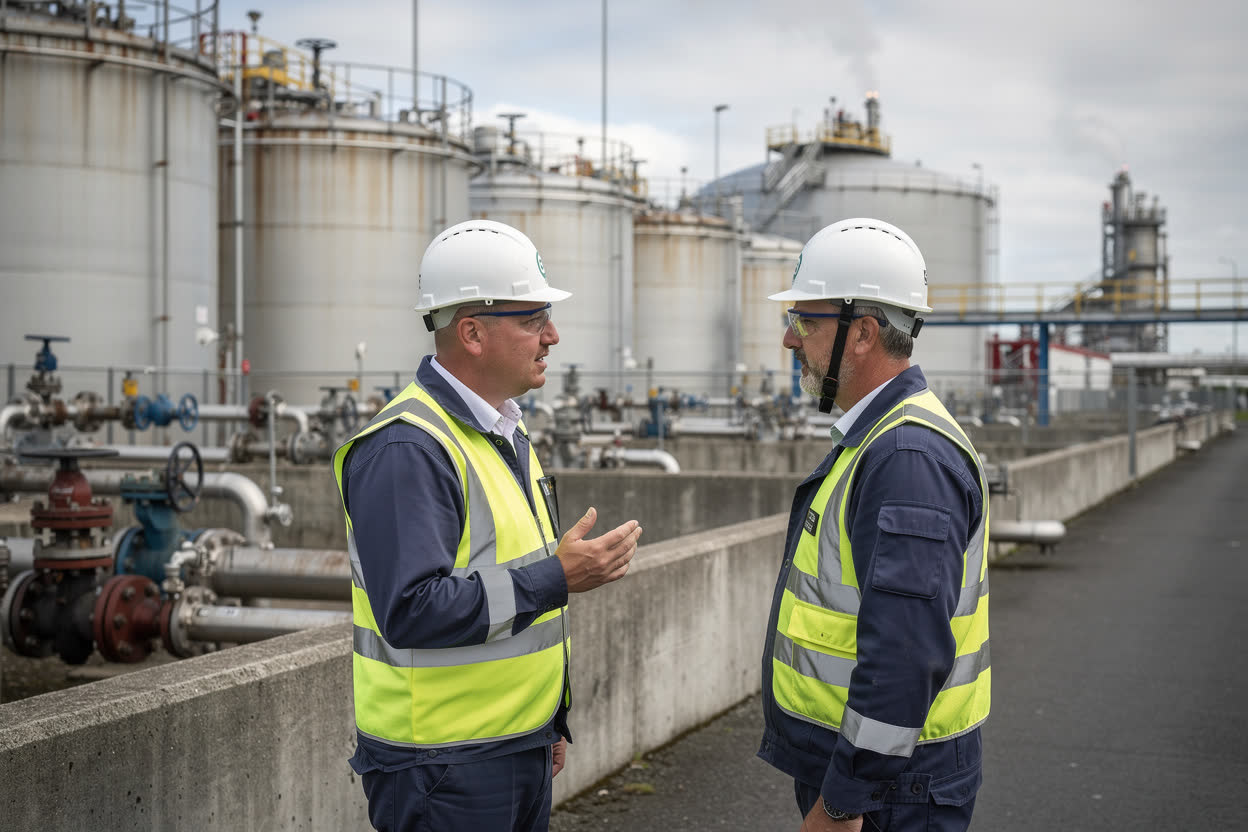
COMAH applies to establishments. An establishment is the whole area under the control of an operator where dangerous substances are present, in one or more installations.

The main duties fall on the operator. This is the person or company who operates or controls the establishment.

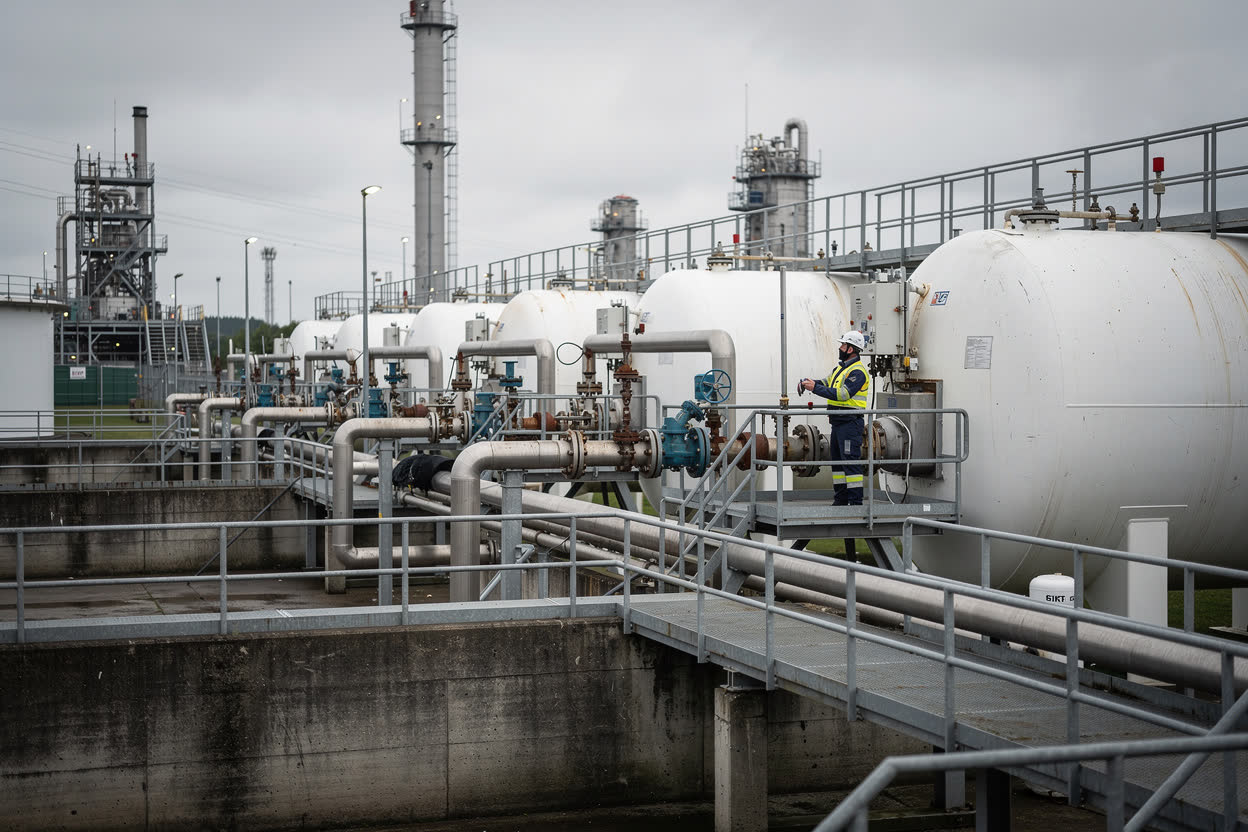
Most COMAH establishments are in the chemical industry, but many other sites store or use dangerous substances in quantities that bring them under the Regulations.

Where COMAH Applies
Where COMAH Applies

As well as chemical manufacturing, COMAH can apply to:

  • Fuel storage and distribution depots.
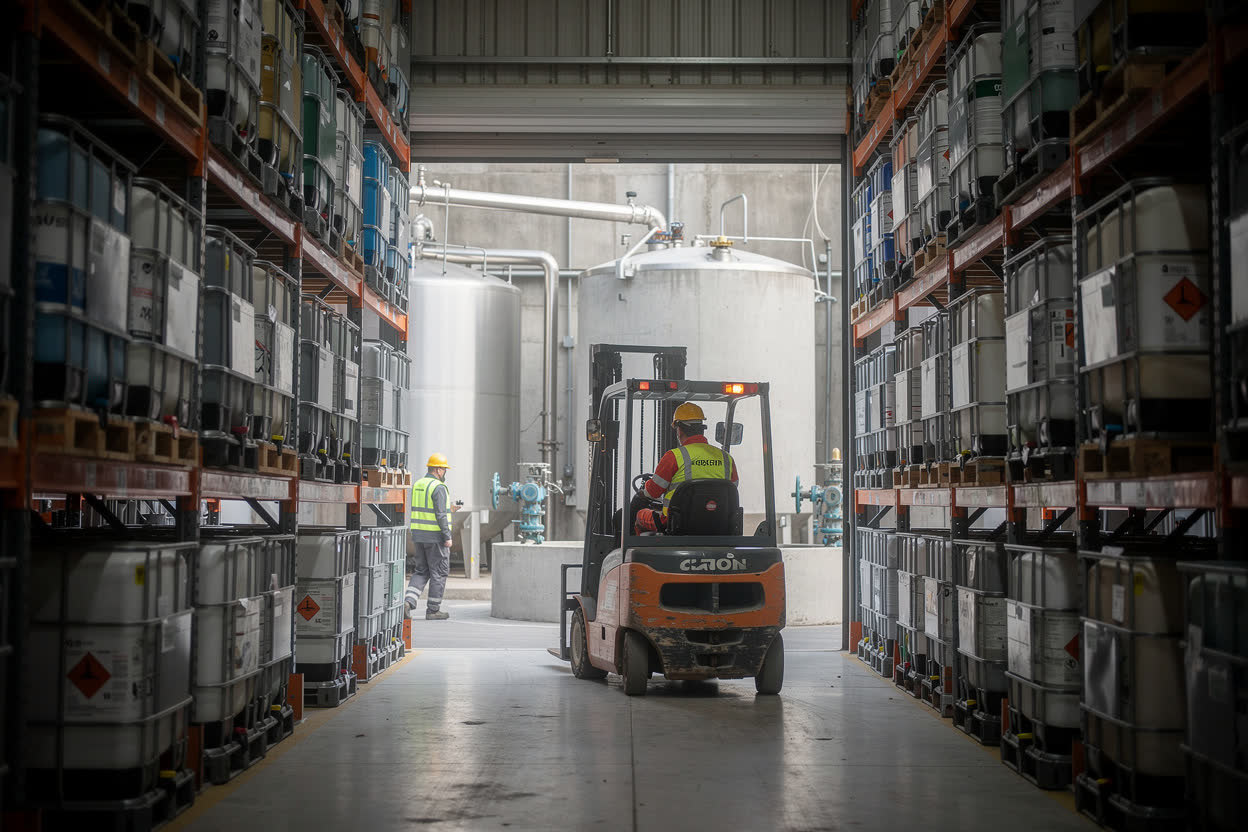
  • Warehouses that store large quantities of chemicals.
  • Sites that make or store explosives.
  • Other industries that hold large quantities of dangerous substances, including the chemical hazards at nuclear sites.

Sites holding very large quantities have more duties than those holding smaller amounts. COMAH does not cover offshore installations, or the transport of dangerous substances outside an establishment, which have their own laws.

What Is a Major Accident?

A major accident is an occurrence, such as a major emission, fire or explosion, that results from uncontrolled developments at an establishment. To be a major accident, it must:

  • Result from uncontrolled developments in the operation of an establishment covered by COMAH.
  • Lead to serious danger to human health or the environment, either at once or later, inside or outside the establishment.
  • Involve one or more dangerous substances, whatever the quantity involved.
Serious Danger to the Environment

An accident can also be a major accident because of its effect on the environment. The harm may be immediate or delayed, and it may be long-lasting, even if it is not permanent. Examples include:

  • Death or harm to local wildlife, plants and species.
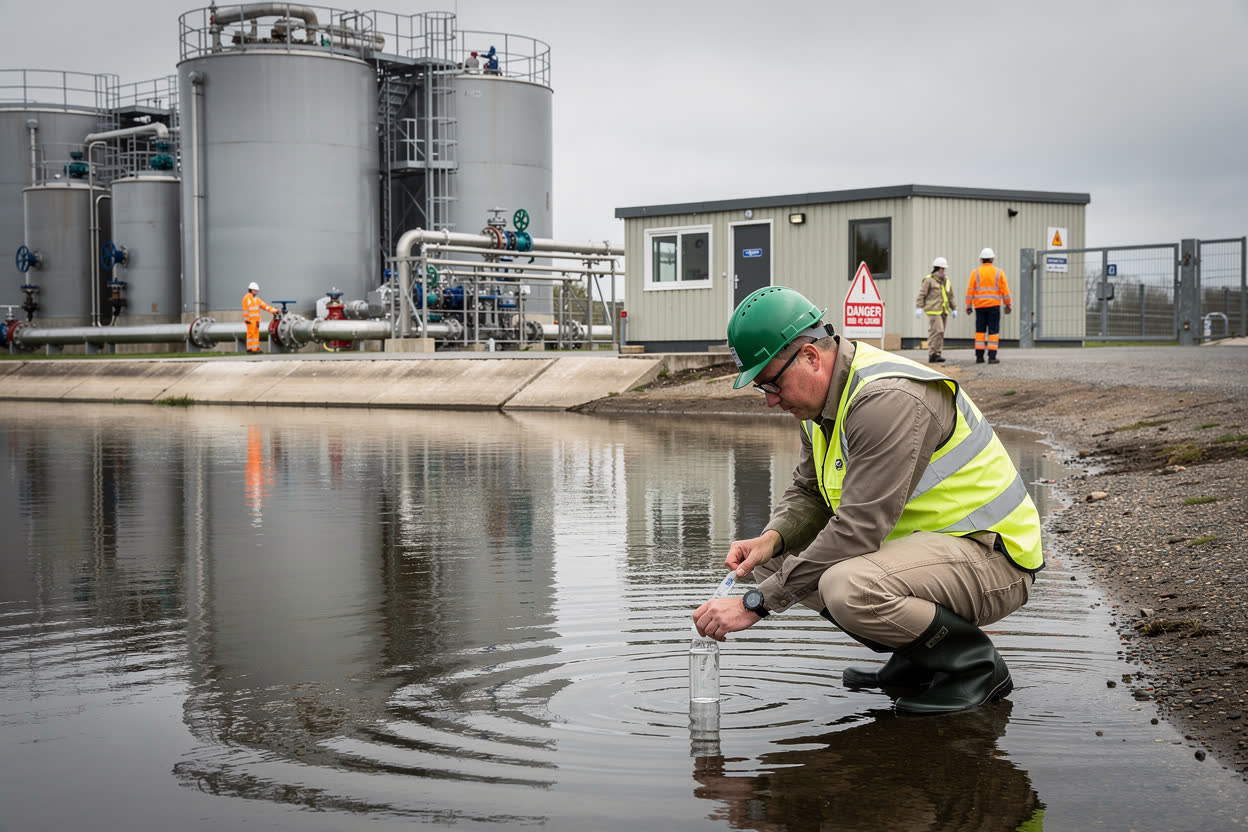
  • Pollution of rivers, lakes, the sea, soil or groundwater.
  • Damage to protected sites and habitats, and the species that live there.
  • Damage to heritage sites.
  • Harm to large areas of natural habitat.
Dangerous Substances

A substance is a dangerous substance under COMAH if it is named in Schedule 1 of the Regulations, or falls into one of the hazard categories listed there. Each has a threshold quantity.

The definition is wide. It covers raw materials, products, by-products, residues and intermediates, including waste, and fuels such as liquefied petroleum gas.

Hazard categories are based on the Classification, Labelling and Packaging Regulation, known as CLP, which classifies chemicals according to their hazards. You will learn more about CLP in Module 3.

Present or Likely to Be Present

When deciding whether COMAH applies, operators must count two kinds of dangerous substance:

  • Substances that are present, or may be present, as part of normal operations.
  • Substances that could be generated if control of a process is lost, for example in a runaway chemical reaction.

The operator must consider both the actual and the potential inventory. The inventory is not fixed: it must be reviewed whenever quantities, processes or classifications change.

Lower Tier and Upper Tier

Schedule 1 sets two threshold quantities for each dangerous substance or category: a lower one and a higher one.

  • An establishment is lower tier if the quantity present, or likely to be present, reaches the lower threshold.
  • It is upper tier if the quantity reaches the higher threshold.

So the tier depends on the categories and quantities of dangerous substances, not on the number of employees or the size of the business. Where several substances are present, the aggregation rules in Schedule 1 add them together, so always check the Regulations rather than one substance alone.

Duties of Lower and Upper Tier Operators

All COMAH operators must:

  • Notify the Competent Authority about the establishment.
  • Take all measures necessary to prevent major accidents, and limit their consequences for people and the environment.
  • Prepare a written Major Accident Prevention Policy.
  • Provide information for the public.

Upper tier operators must also:

  • Prepare a safety report, showing how major accident hazards are controlled.
  • Prepare and test an on-site emergency plan.
  • Give the authorities the information they need for an off-site emergency plan.
Sites Below the Thresholds

If a site never holds enough dangerous substances to reach a COMAH threshold, it is neither lower nor upper tier, and COMAH does not apply.

But other duties still do. The Health and Safety at Work etc. Act 1974, the Control of Substances Hazardous to Health Regulations 2002, known as COSHH, and the Dangerous Substances and Explosive Atmospheres Regulations 2002, known as DSEAR, still require chemical risks to be controlled. Environmental law also applies, and the inventory must be kept under review.

Why COMAH Awareness Matters

Understanding COMAH helps to protect you and your colleagues, and reduces the chance of a major accident. When everyone on site understands the hazards and their part in controlling them, the organisation also benefits from:

  • Fewer incidents, lower costs and less risk of prosecution.
  • Healthier, better motivated staff, who feel safe at work.
  • A good reputation with the local community, regulators, customers and investors.
  • Stronger relationships with suppliers and neighbouring businesses.
Buncefield: A Real Major Accident

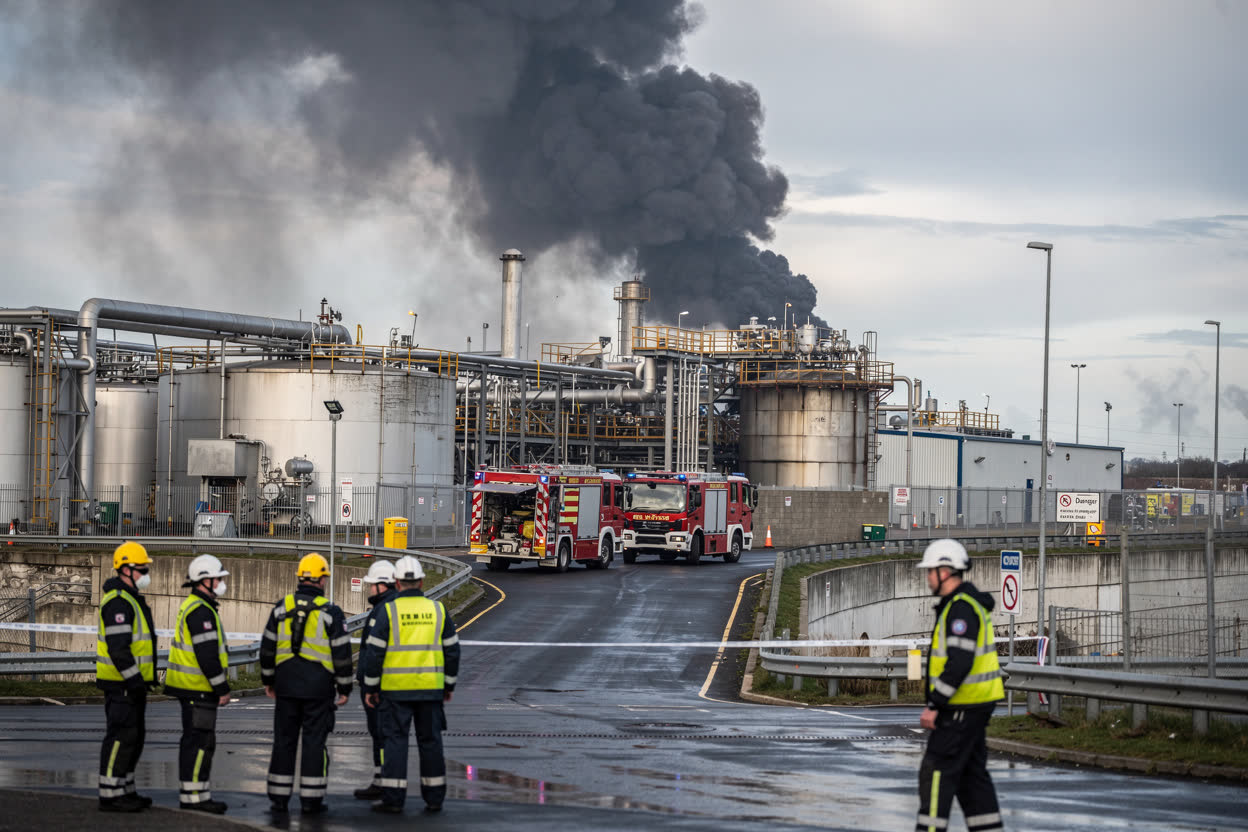
Early on 11 December 2005, a series of explosions and a huge fire occurred at the Buncefield oil storage depot at Hemel Hempstead, north of London.

A large storage tank was being filled with petrol. It overflowed, and a cloud of petrol vapour spread across the site and beyond. The vapour cloud ignited, causing a massive explosion and a fire that burned for several days.

More than 40 people were injured, but no one was killed. Homes and businesses nearby were badly damaged, and people were evacuated.

Buncefield: What Went Wrong

The tank was monitored remotely from a control room. Its level gauge stuck, so it showed a constant level while the tank kept filling. An independent high-level switch, which should have shut off the supply, was not working. No alarm reached the operators.

Investigations found failings in the design and maintenance of the safety systems, in the containment of the spilled fuel, and in the management systems that should have spotted and corrected these weaknesses.

The lesson is clear: safety-critical equipment must be reliable, maintained and tested.

Summary

In this module, you have learned that:

COMAH aims to prevent major accidents involving dangerous substances, and to limit their consequences for people and the environment.

A major accident is a serious occurrence involving dangerous substances that creates serious danger to people or the environment.

The tier depends on the quantities of dangerous substances. Upper tier sites need a safety report. Sites below the thresholds still have other legal duties.

In the next module, we will look at the Competent Authority, notification, inspections and enforcement.

Knowledge Check
What mainly decides whether an establishment is lower tier or upper tier?
Select one answer, then press Check.
The number of employees on the site
The operator’s annual turnover
The categories and quantities of dangerous substances present or likely to be present
The age of the process equipment
Correct. The tier is set by comparing the dangerous substances present, or likely to be present, with the thresholds in Schedule 1.
Not quite. COMAH is about dangerous substances, so think about what is stored or used on the site. Try again.
Get the full course →Answer the question to unlock the next module.
Page 1 of 18