← Exit
Module 1 · School Fire Safety Basics0% complete · 18 slides left
Fire Safety for Schools
Module 1
This course contains audio. Use headphones in public places.
Introduction
Introduction

A fire can cause serious harm to any building, but schools are especially vulnerable. Even a small fire can injure people, destroy pupils’ work and close a school for weeks.

The law requires every school to take measures to prevent fire. The main legal duties fall on the responsible person of the school, but every member of staff has an important part to play.

This course explains the essentials of fire safety in schools: how fires start, what the law requires, how fires are prevented, and how to evacuate pupils safely, including those who need extra help.
Course Aims
Course Aims

By the end of this course, you will understand:

  • The impact a fire can have on a school.
  • How fires start, and the different classes of fire.
  • Fire safety law, and the duties it places on everyone in the school.
  • How to reduce fire risks through good housekeeping, safe storage and other preventive measures.
  • How your school can deter arson.
  • The standards for alarms, detectors, extinguishers and escape routes.
  • How to respond to a fire, and lead pupils to safety.
  • Why personal evacuation plans and fire drills matter, and the part you may play in them.
In This Module
In This Module

This first module explains why fire safety matters and how fires begin. You will learn about:

  • Why fire safety is so important in schools.
  • Fire safety law.
  • The fire triangle.
  • The classes of fire.
  • Common fire hazards in a school.
Why Fire Safety Matters

Fires damage schools every year. They can endanger lives, disrupt education and cause huge financial losses.

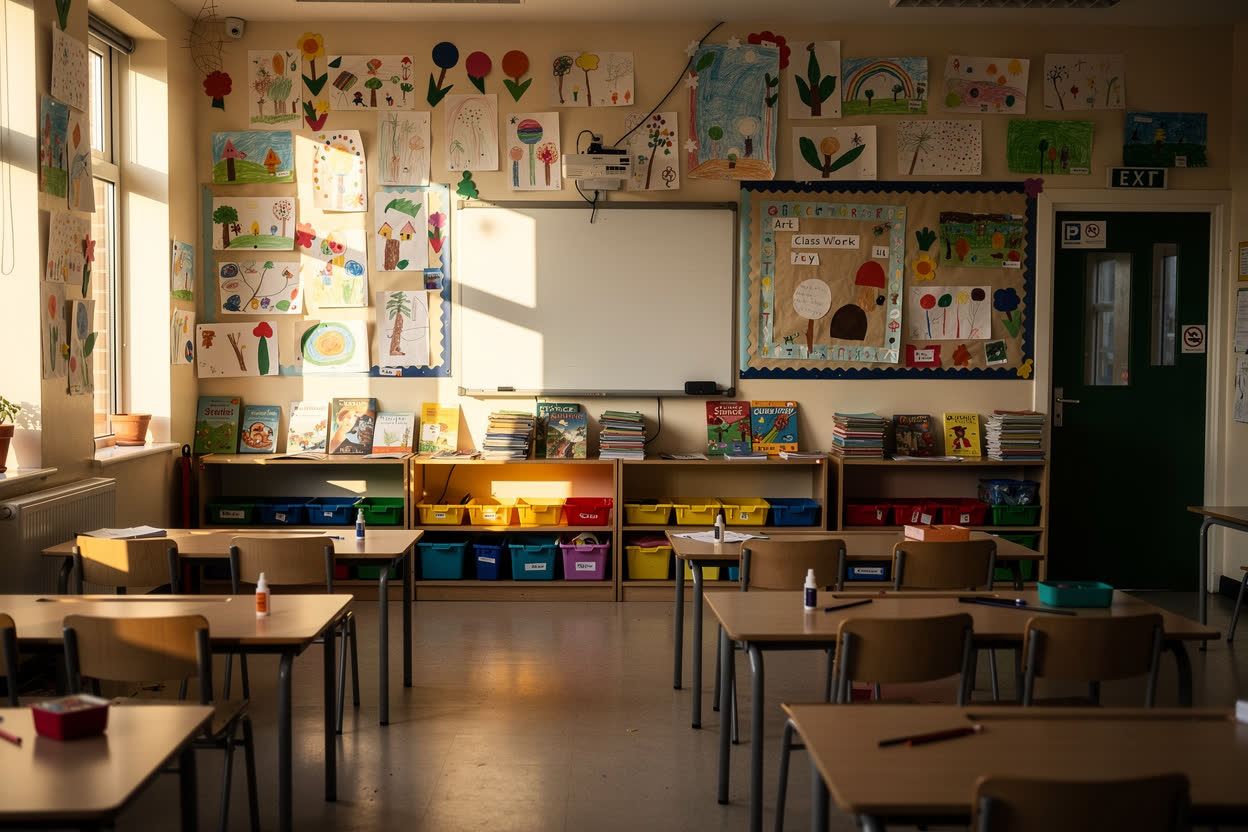
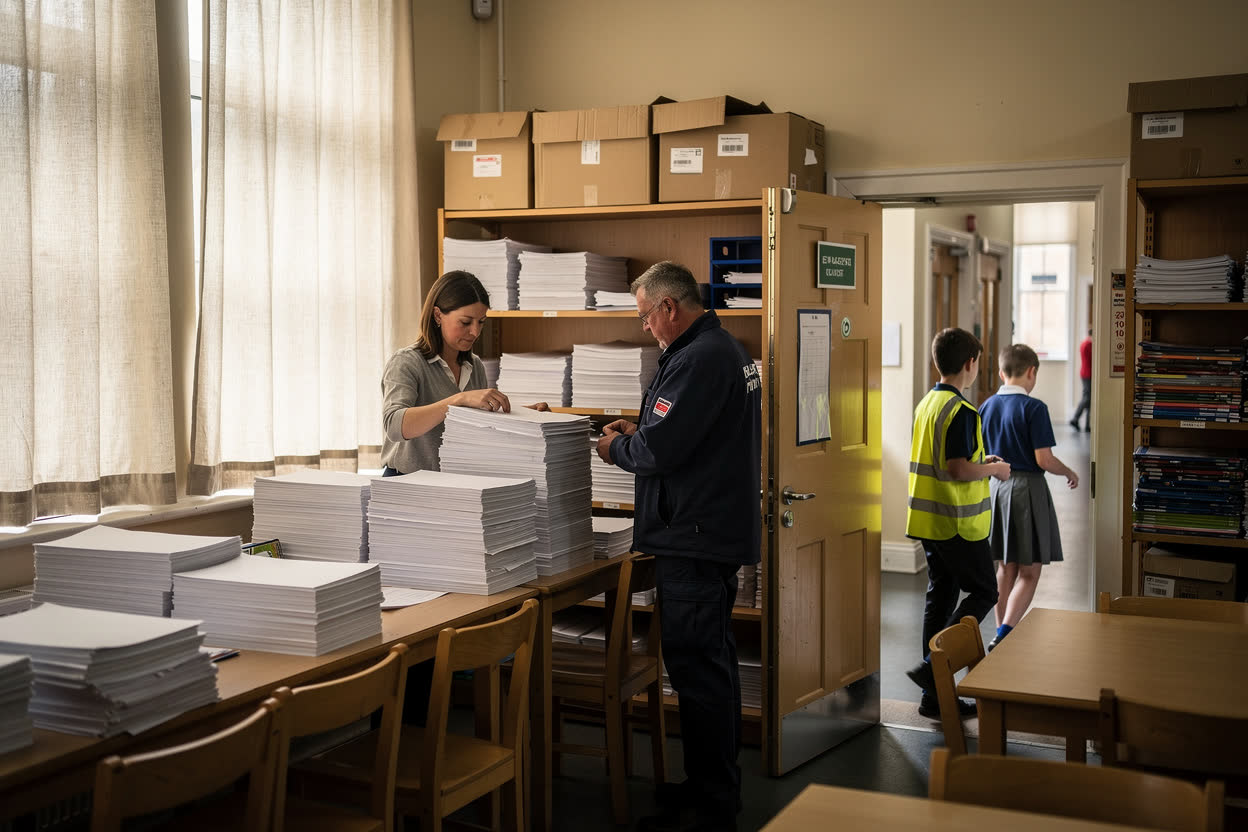
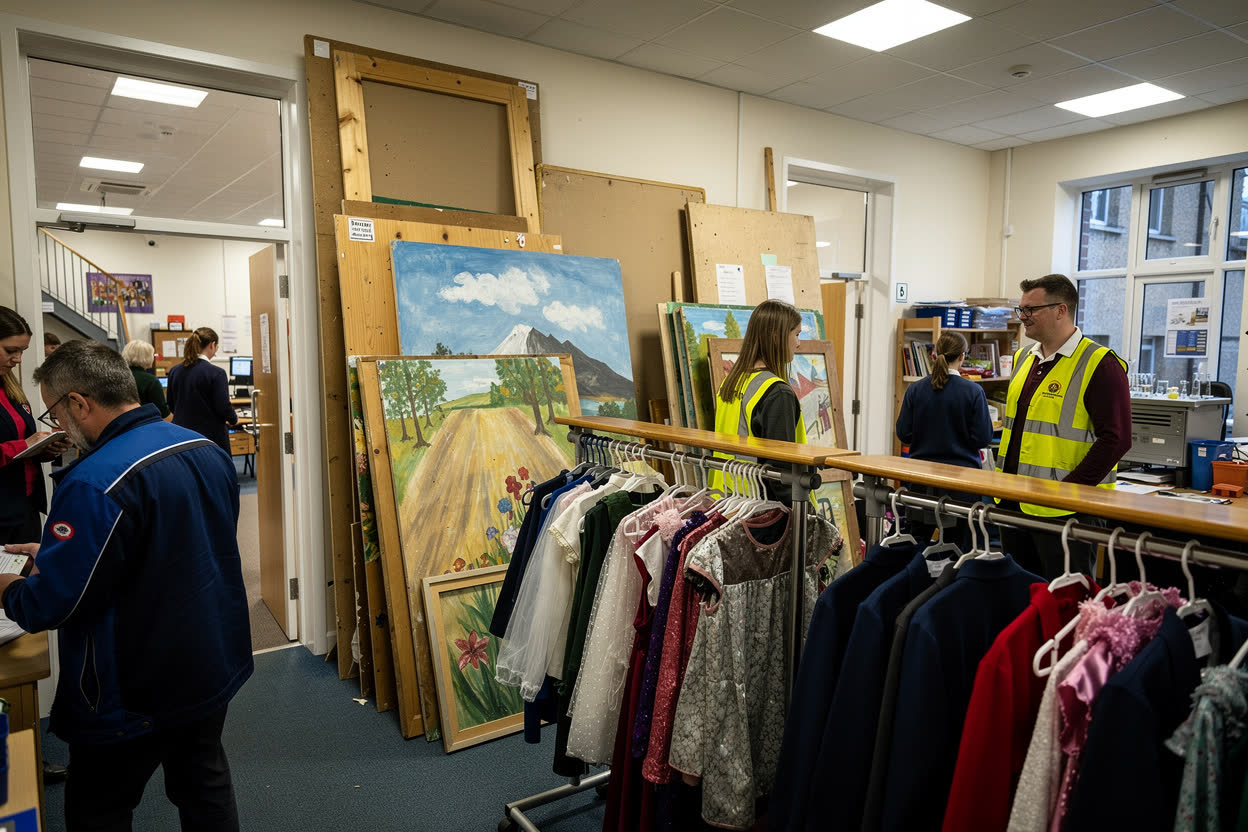
Schools face particular risks. They contain large amounts of combustible material, such as paper, displays, furniture and equipment, and they are busy with large numbers of people, many of them children.

Schools are also a target for arson. Fires are sometimes started deliberately, by pupils or by intruders, in hidden areas such as toilets, storerooms or around the outside of the building. Prevention is essential, both to reduce arson and to stop fire spreading quickly.

The Wider Impact of a School Fire

As well as endangering staff and pupils, a fire in a school can:

  • Destroy facilities, books, computers, and science and music equipment.
  • Destroy pupils’ coursework and teachers’ lesson plans.
  • Ruin pupil records and important administrative documents.
  • Disrupt lessons and exams, sometimes for months.
  • Lower the morale and wellbeing of staff and pupils. Results often suffer, especially if pupils must move to another site.
  • Damage the school’s reputation in the community.

That is why every school needs effective fire safety procedures, and why every member of staff must know how to support them.

Lessons from Real Incidents

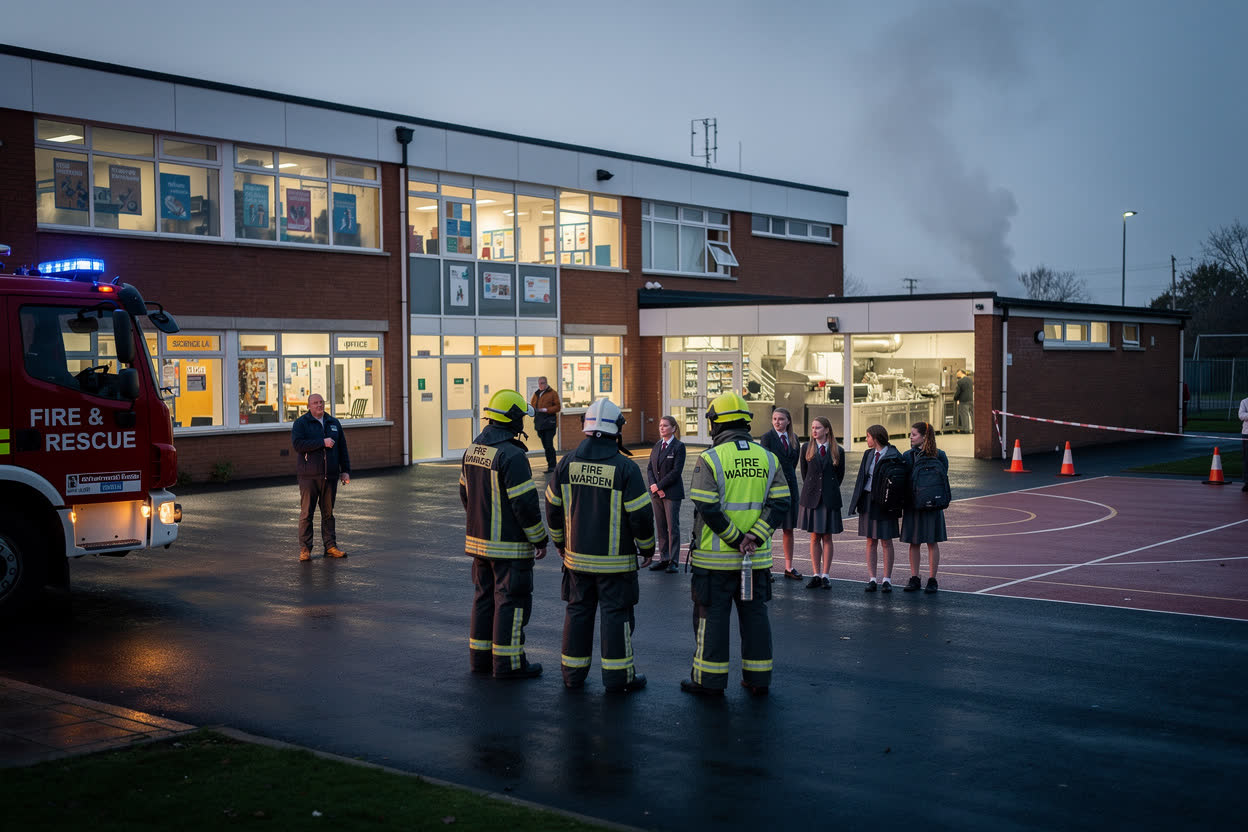
These incidents took place in real schools.

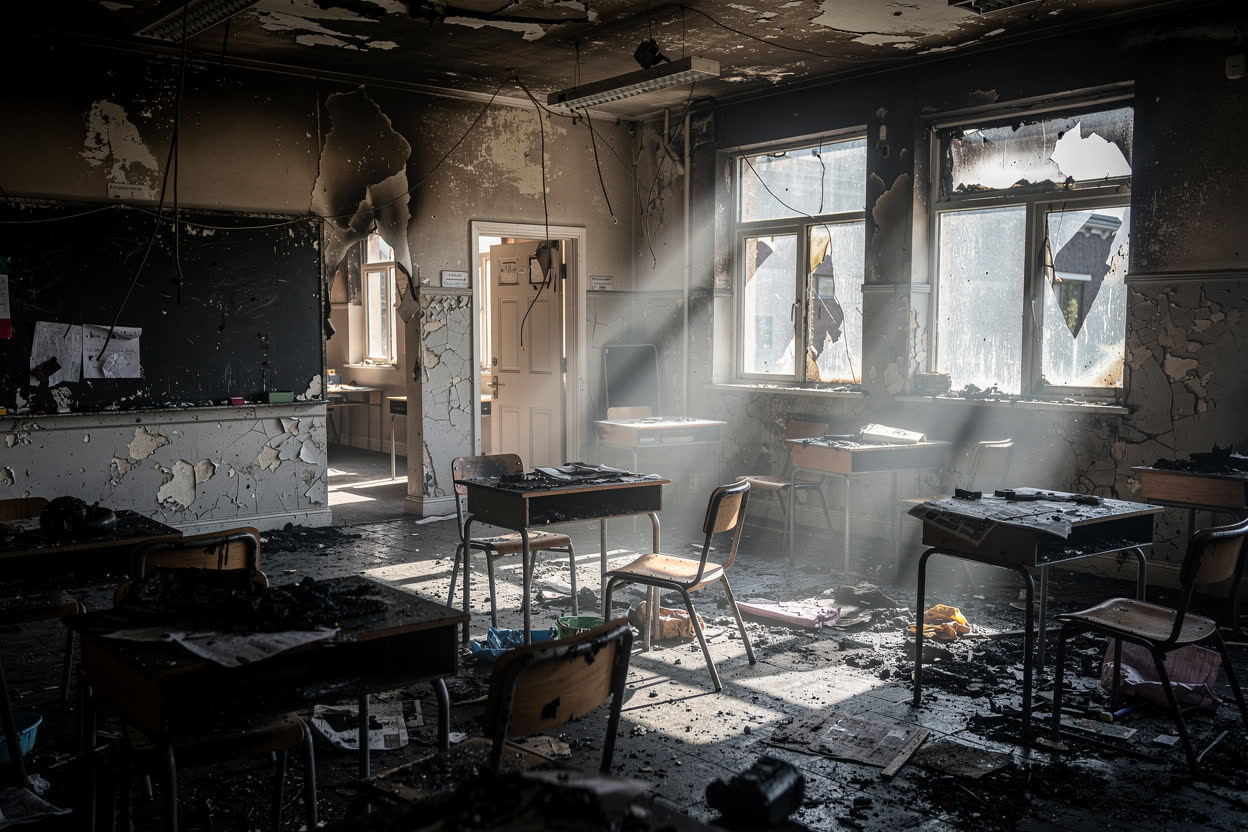
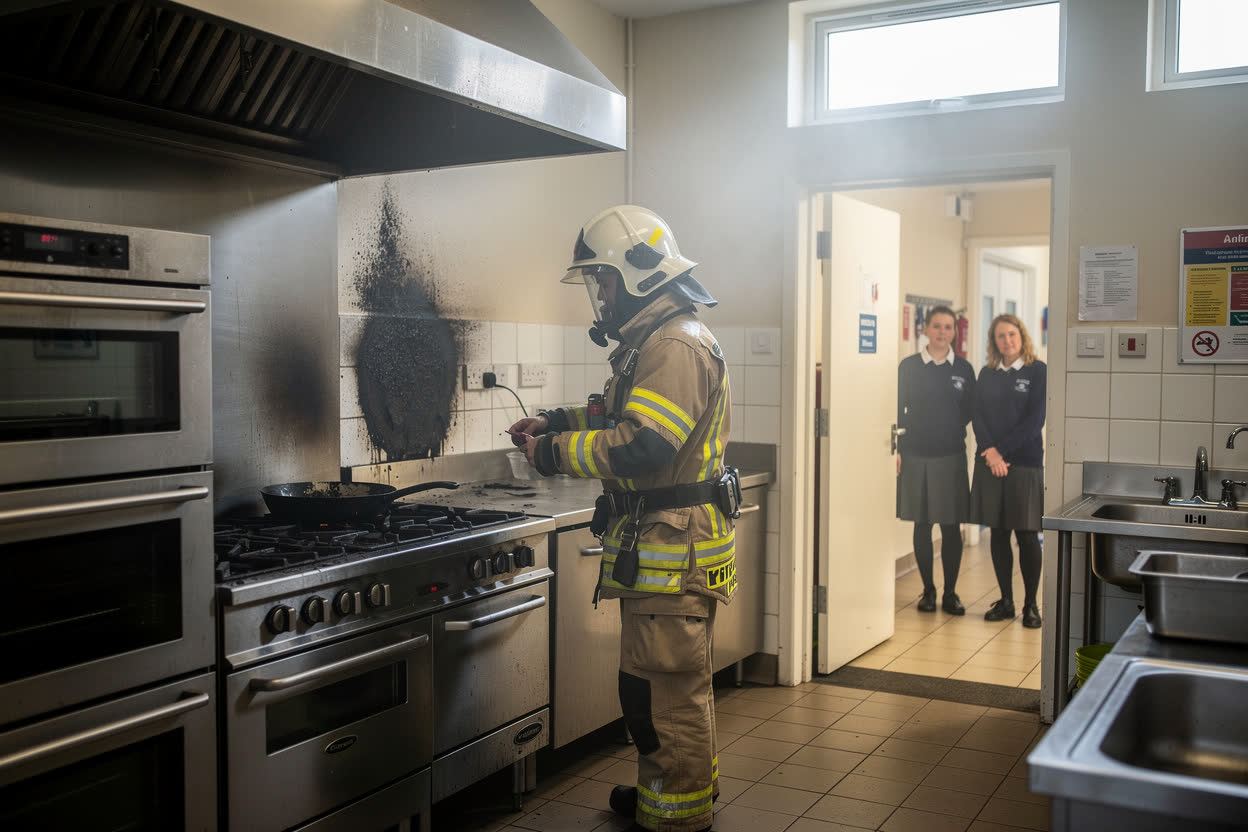
A fire broke out in a school kitchen outside school hours. No one was on site, but smoke and fire badly damaged the staff room, a corridor and several classrooms. The cause was combustible materials stored too close to a heat source.

In another school, a fire involving wood-cutting machinery in the technology block filled half the school with smoke, and specialist ventilation equipment was needed to clear it. The incident showed how important equipment maintenance and workshop fire procedures are.

More Real Incidents
More Real Incidents

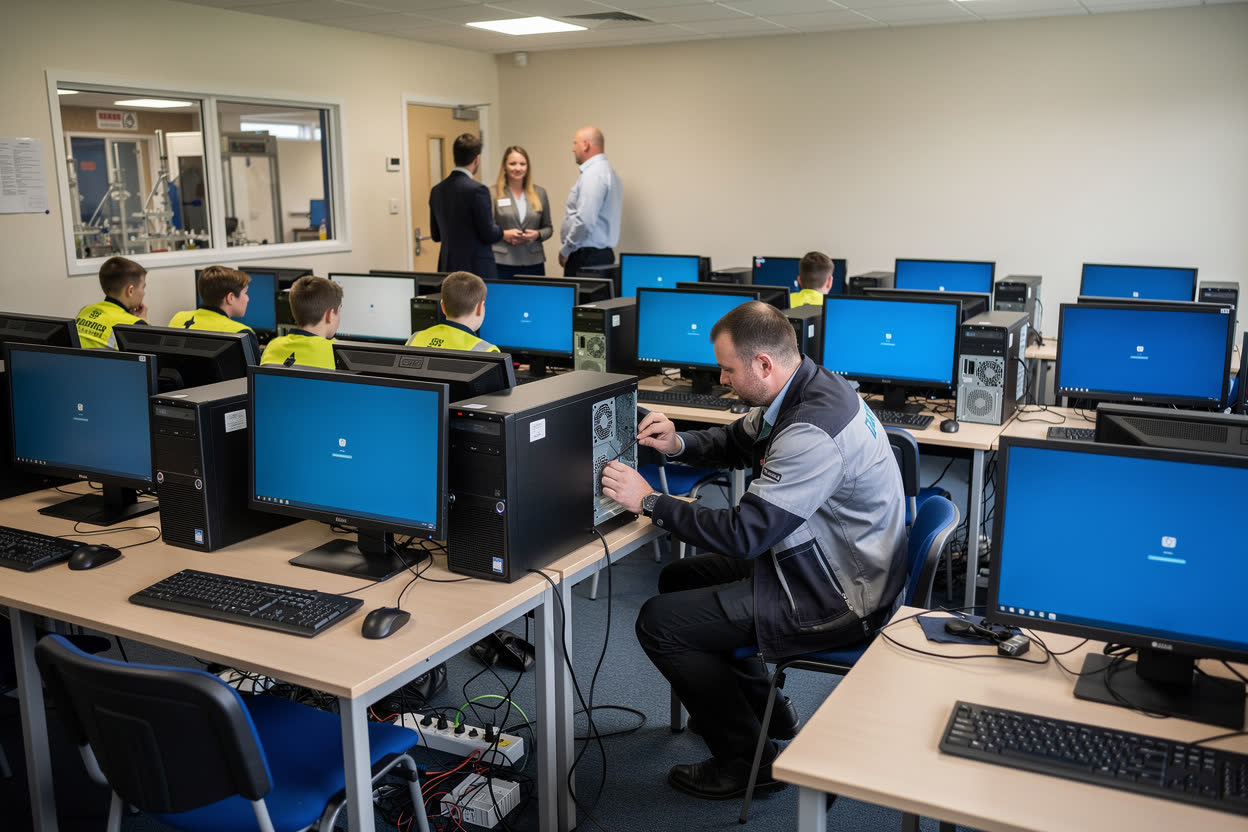
A fault in a cooling unit started a fire in a school computer suite, damaging a wall and several computers. Firefighters found thick, dark smoke, and were concerned about a backdraft, an explosive event caused by a sudden rush of air. They put the fire out before it spread.

In another case, arsonists set fire to an outbuilding at a primary school. The flames spread quickly towards the main building, and extra fire crews were needed to stop them. No one was on site, but several classrooms were damaged.

Fire Safety Law in the UK

These examples show why fire safety is regulated by law. In England and Wales, the main law is the Regulatory Reform (Fire Safety) Order 2005, usually called the Fire Safety Order. It applies to all schools, including nurseries, academies, independent schools and pupil referral units.

The Fire Safety Order places duties on the responsible person to prevent fire, and to keep people safe if a fire breaks out.

The Health and Safety at Work etc. Act 1974 also requires employers to protect the health and safety of staff, pupils and visitors, including from fire.

Other Relevant Laws
Other Relevant Laws

Other laws that apply to fire safety in schools include:

  • The Management of Health and Safety at Work Regulations 1999, which require risk assessment and emergency procedures.
  • The School Premises (England) Regulations 2012 in England, and the Education (School Premises) Regulations 1999 in Wales, which set standards for school buildings.
  • The Building Regulations, with Approved Document B setting fire safety standards for buildings in England.
  • The Control of Substances Hazardous to Health Regulations 2002, known as COSHH, and the Dangerous Substances and Explosive Atmospheres Regulations 2002, known as DSEAR.

Scotland and Northern Ireland have their own, very similar, fire safety laws.

Hazardous Substances in School

COSHH requires schools to manage the risks from hazardous substances, and DSEAR sets out what must be done to prevent fires and explosions caused by dangerous substances.

Together, these rules require schools to control substances that are flammable, explosive or oxidising, because they can easily start or feed a fire. Science laboratories, art rooms, technology rooms and cleaning stores often hold them.

If your role involves handling these substances, you may need specific training to use and store them safely.

Fire Safety Training

The law also requires that staff receive fire safety information and training. Article 21 of the Fire Safety Order requires the responsible person to provide adequate safety training:

  • When staff are first employed.
  • When they are exposed to new or increased risks, for example because of a change in their duties, new equipment or changes to the building.

Training must be repeated regularly, because conditions in a school change over time. By completing this course, you are helping your school to meet its legal duties.

The Fire Triangle
The Fire Triangle

To prevent fire, you need to understand how it starts. Three elements must be present together:

  • Ignition: a source of heat or a spark that can start a fire.
  • Fuel: anything that burns, allowing the fire to grow and continue.
  • Oxygen: normally from the air around us. Fire needs oxygen to keep burning.

Together, these three elements form the fire triangle. Remove any one of them, and a fire cannot start or continue. Most fire safety measures work by keeping these elements apart.

Classes of Fire
Classes of Fire

All fires need the same three elements, but they are grouped into classes according to the fuel that is burning:

  • Class A: solid materials, such as wood, paper and textiles.
  • Class B: flammable liquids, such as paints, varnishes and petrol.
  • Class C: flammable gases, such as methane and propane.
  • Class D: combustible metals, such as magnesium and lithium.
  • Class F: cooking oils and fats.

Fires involving electrical equipment are not a separate class, because electricity is a source of ignition rather than a fuel. Knowing the type of fire matters, because it decides how the fire can be put out safely. Water on an electrical fire, for example, is extremely dangerous.

Sources of Ignition
Sources of Ignition

Common sources of ignition in a school include:

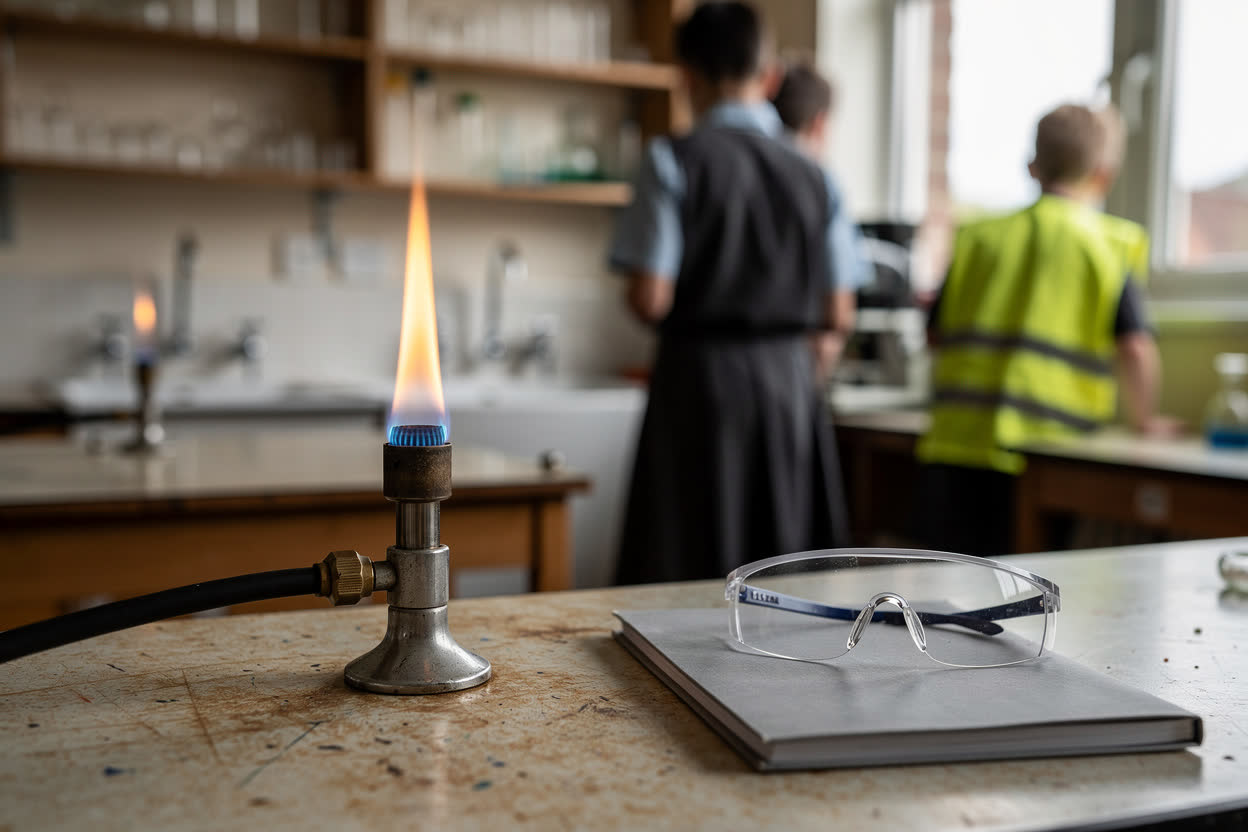
  • Naked flames and hot equipment, such as Bunsen burners, cooking hobs, heaters and stage lighting.
  • Faulty, misused or overheated electrical equipment, such as computers, projectors, air conditioning units and workshop machinery. Blocked ventilation often causes overheating.
  • Static electricity, and friction from worn machine parts.
  • Smoking materials, such as discarded cigarettes and lighters.
  • Hot work, such as welding.
  • Arson, for example setting fire to bins placed against the building.

Think about where these exist in your school. A computer room, for example, is full of electrical equipment that can overheat.

Sources of Fuel
Sources of Fuel

Common sources of fuel in a school include:

  • Paper and card, such as books, worksheets, displays and packaging.
  • Wood and fabrics, such as furniture, curtains, musical instruments, drama props, and materials for woodwork and textiles.
  • Rubber, plastics and foam, such as sports mats and drama equipment.
  • Flammable liquids, such as cleaning products, cooking oils, paints, glues and varnishes.
  • Flammable gases, such as propane, and flammable metals, such as magnesium. Metal shavings from cutting burn especially easily.
  • Chemicals and waste.

Science laboratories may hold flammable chemicals, while technology rooms may contain metals and large amounts of wood.

Sources of Oxygen
Sources of Oxygen

Oxygen comes from:

  • The air around us.
  • Oxidising chemicals, which release oxygen and make a fire burn more fiercely.
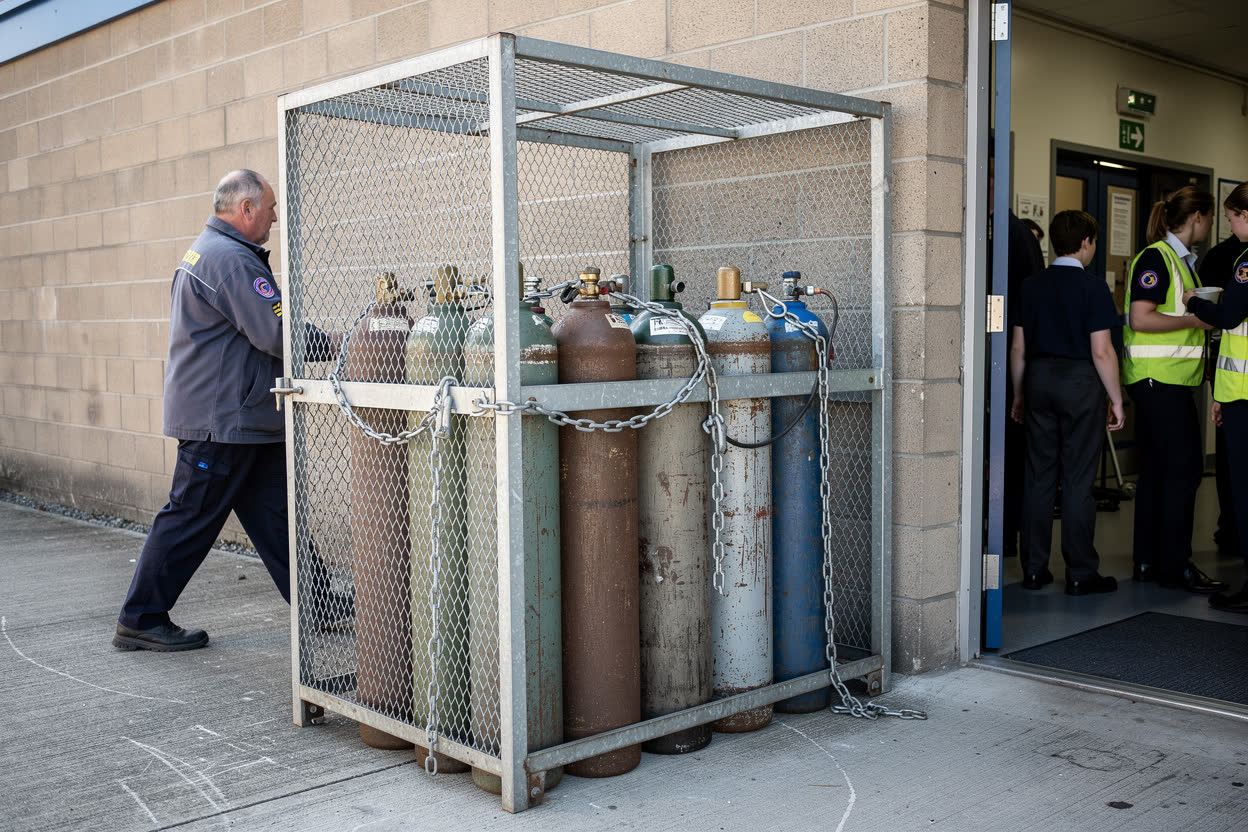
  • Oxygen cylinders, such as those used for welding or in science departments.

Because oxygen is the hardest of the three elements to control, the focus in schools is on keeping ignition sources and fuel apart. Later in this course, you will learn how to do this in practice.

Summary

In this module, you have learned that:

Fires seriously harm schools every year, damaging buildings, work and records, and disrupting education.

The main fire safety law for schools in England and Wales is the Regulatory Reform (Fire Safety) Order 2005.

A fire needs ignition, fuel and oxygen. Remove any one of them, and a fire cannot start.

In the next module, we will look at who is responsible for fire safety in your school, and how fire risk is assessed.

Knowledge Check
What class of fire involves solid materials, such as paper, wood and textiles?
Select one answer, then press Check.
Class B
Class F
Class A
Class D
Correct. Class A fires involve solid materials, such as paper, wood and textiles.
Not quite. Class B is flammable liquids, Class D is metals, and Class F is cooking oils and fats. Try again.
Get the full course →Answer the question to unlock the next module.
Page 1 of 19