← Exit
Module 1 · The Fire Warden Role0% complete · 14 slides left
Fire Warden / Fire Marshal
Module 1
This course contains audio. Use headphones in public places.
Introduction
Introduction

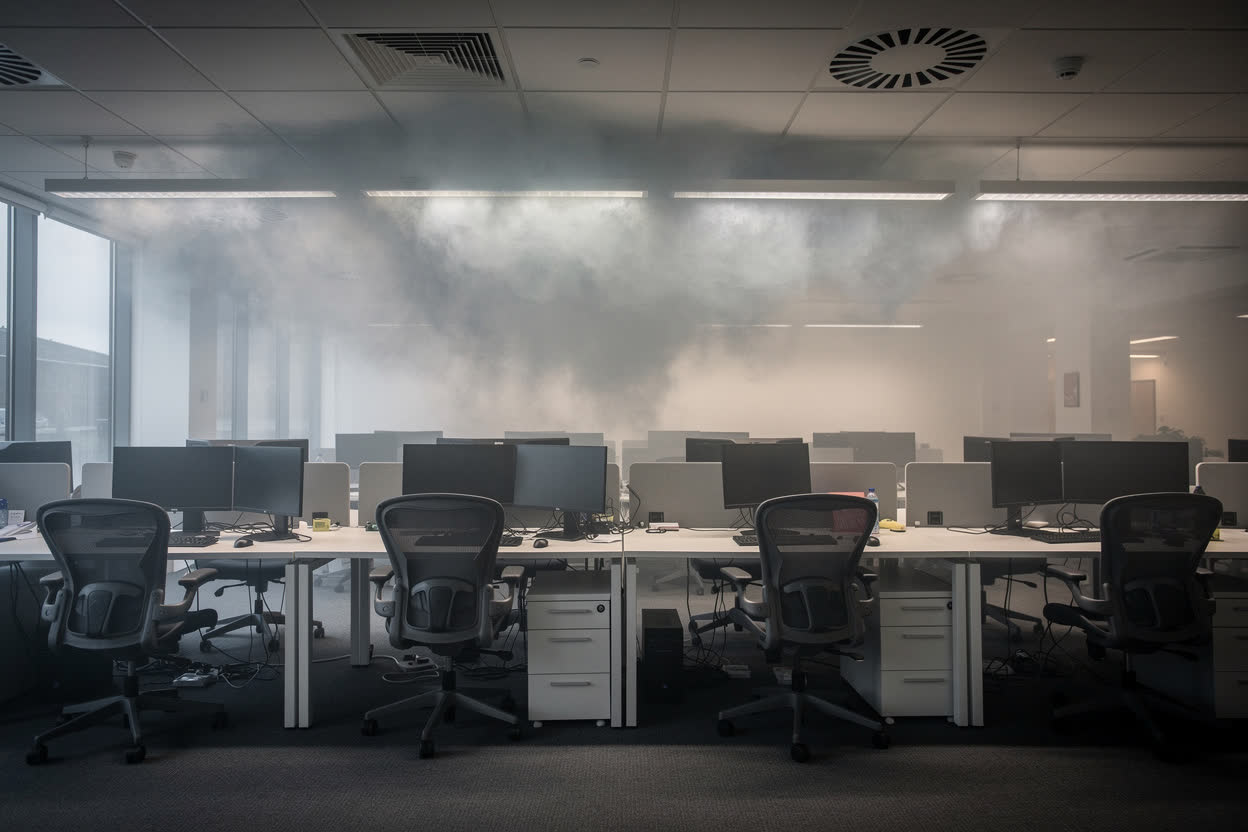
Fire can destroy a workplace in minutes. Smoke spreads faster than most people expect, and a few minutes of confusion can cost lives. Most of the people who die in fires are killed by smoke, not by flames.

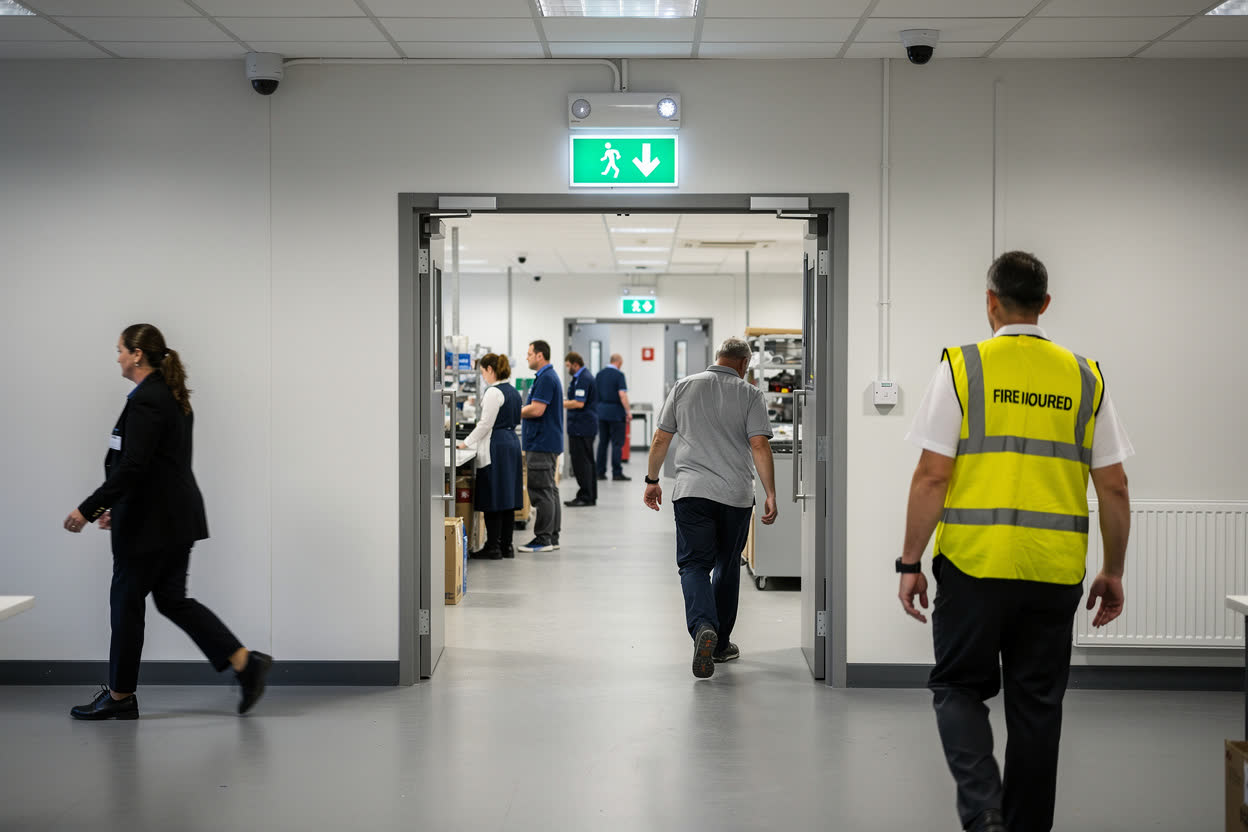
That is why every workplace needs people who understand fire, who help to prevent it, and who know exactly what to do when the alarm sounds. Those people are fire wardens, also called fire marshals.

This course prepares you for that role. It covers how fire starts and spreads, how the risk is assessed and controlled, and how to lead people safely out of a building in an emergency.

Course Aims
Course Aims

By the end of this course you will be able to:

  • Describe the main fire safety laws in the UK, and the duties they place on employers and the responsible person.
  • Explain how fire starts and spreads, and identify the classes of fire.
  • Understand how a fire risk assessment is carried out, and the part you play in it.
  • Recognise fire prevention and protection measures, including alarms, extinguishers, fire doors and signs.
  • Carry out your duties as a fire warden before, during and after an evacuation.
In This Module
In This Module

Module 1 explains why fire safety matters and where the fire warden fits in. You will learn about:

  • The consequences of fire in the workplace.
  • The order in which fire risks are controlled.
  • Fire safety law in the UK, and who enforces it.
  • The duties of a fire warden, and the training you need.
  • How many fire wardens a workplace needs.
Why Fire Safety Matters

A serious fire can do far more than damage a building. It can:

  • Kill or seriously injure employees, visitors and members of the public.
  • Destroy equipment, stock and records that took years to build up.
  • Close a business for months. Many businesses never reopen after a major fire.
  • Lead to prosecution, fines and even imprisonment for those responsible.

Most workplace fires are preventable. They are caused by everyday things: faulty electrics, careless smoking, poor housekeeping, hot work and deliberate fire setting. Good fire safety management deals with all of these.

How Fire Risk Is Controlled

Fire safety follows a simple order of priorities. Each step is used before relying on the next:

  • Avoid: remove the hazard altogether, for example by using a non-flammable product.
  • Prevent: stop fires starting, through good housekeeping, safe electrics and control of ignition sources.
  • Detect and warn: find a fire quickly and alert everyone, with smoke detectors and fire alarms.
  • Contain: stop fire and smoke spreading, with fire doors and fire-resisting walls.
  • Escape: make sure everyone can get out safely, using clear escape routes, lighting and signs.
  • Fight: tackle a small fire only when it is safe, using the right extinguisher.
Fire Safety Law in the UK

The main fire safety law for workplaces in England and Wales is the Regulatory Reform (Fire Safety) Order 2005, usually called the Fire Safety Order.

  • It applies to almost all non-domestic premises, including the common parts of blocks of flats.
  • It has been strengthened by the Fire Safety Act 2021 and the Fire Safety (England) Regulations 2022, and by fire safety changes in the Building Safety Act 2022.
  • Scotland has the Fire (Scotland) Act 2005, and Northern Ireland has the Fire and Rescue Services Order 2006 and the Fire Safety Regulations 2010. The duties are very similar.

Workplace health and safety law, including the Health and Safety at Work etc. Act 1974, also applies.

The Responsible Person

The Fire Safety Order places the legal duties on the responsible person. In a workplace, this is usually the employer. It can also be the owner, or anyone else who has control of the premises.

The responsible person must make sure that:

  • A suitable fire risk assessment is carried out, recorded in full and kept up to date.
  • General fire precautions are in place and maintained.
  • There are emergency procedures, and enough competent people to put them into effect.
  • Employees receive fire safety information and training.
General Fire Precautions

The measures that the law requires in every workplace are called general fire precautions. They include:

  • Measures to reduce the risk of fire starting, and of it spreading.
  • Safe escape routes and exits, kept clear and available at all times.
  • Fire detection and a way of raising the alarm.
  • Suitable fire fighting equipment.
  • Emergency procedures, including what to do if fire breaks out.
  • Training for employees, and the appointment of fire wardens.

Fire wardens play an important part in keeping these precautions working day to day.

What Does a Fire Warden Do?

A fire warden is appointed to help keep their area of the workplace safe from fire. The role has two sides.

Day to day, a fire warden:

  • Keeps an eye on fire risks, such as blocked exits, wedged fire doors, poor housekeeping or damaged equipment.
  • Reports problems to the person in charge of fire safety.
  • Helps with fire drills, alarm tests and checks.

In an emergency, a fire warden:

  • Makes sure the alarm has been raised.
  • Helps everyone in their area to leave quickly, checks that the area is clear, and reports to the assembly point.
Training for Your Role

This course gives you the knowledge every fire warden needs. As well as completing it, you should also receive training from your employer on:

  • Your own area: its escape routes, exits, alarm call points, extinguishers and assembly point.
  • The emergency plan for your building, including how people with disabilities will be helped out.
  • Your exact duties during an evacuation, and who you report to.
  • Hands-on practice with fire extinguishers, if your employer’s policy is for wardens to tackle small fires.

Training should be refreshed regularly, and whenever the building, the work or the emergency plan changes.

How Many Fire Wardens?

There is no fixed number in law. The number of fire wardens is decided through the fire risk assessment, taking into account:

  • The size and layout of the building, and the number of floors.
  • How many people are in the building, including visitors and members of the public.
  • The level of fire risk from the work being carried out.
  • Shift patterns, part-time work, holidays and sickness, so that there is always cover.
  • Any people who will need help to escape.

Every area, on every shift, should have a fire warden available, with a named deputy.

Who Enforces Fire Safety?

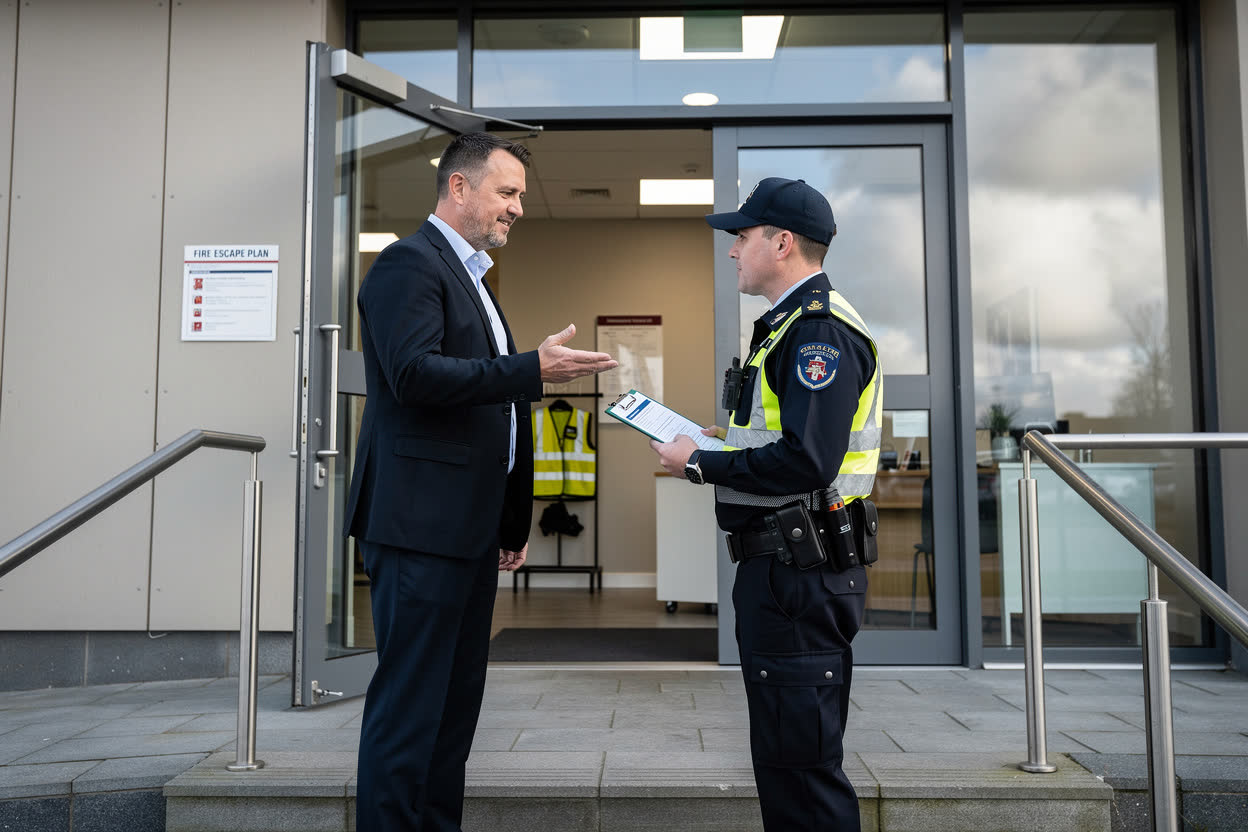
In most premises, the Fire Safety Order is enforced by the local fire and rescue authority. Other bodies enforce it in some places, for example the Health and Safety Executive on many construction sites.

Inspectors can issue alteration, enforcement and prohibition notices, and can stop premises being used until they are made safe.

Breaking the law can lead to unlimited fines and, in the most serious cases, imprisonment.

Summary

In this module, you have learned that:

The responsible person has legal duties under the Fire Safety Order and related laws.

Fire risk is controlled in order: avoid, prevent, detect and warn, contain, escape, and only then fight.

A fire warden helps prevent fire day to day and leads people out safely in an emergency.

In the next module, we will look at how fire starts and spreads, and the different classes of fire.

Knowledge Check
What is the first priority in controlling fire risk?
Select one answer, then press Check.
Buying more fire extinguishers
Avoiding or removing the hazard altogether
Running more fire drills
Fitting more exit signs
Correct. The best fire safety measure is to remove the hazard altogether, so a fire cannot start in the first place.
Not quite. Think about the order of priorities: avoid, prevent, detect and warn, contain, escape, and only then fight. Try again.
Get the full course →Answer the question to unlock the next module.
Page 1 of 15