← Exit
Module 1 · Introduction to Food Hygiene0% complete · 19 slides left
Level 1 Food Hygiene and Safety
Module 1
This course contains audio. Use headphones in public places.
Introduction
Introduction

Your job may not involve preparing food, but if you work where food is stored, sold, served or delivered, your hygiene habits still matter. They help to make sure that the food your business sells is safe to eat.

In this Level 1 course, you will learn why food hygiene is important, the kinds of risks food can be exposed to at work, and the simple, everyday practices that everyone should follow to keep those risks low.


Course Aims
Course Aims

By the end of this course, you will:

  • Understand why food hygiene matters, and the health problems that poor hygiene can cause.
  • Know what the law says about food hygiene, and how businesses comply.
  • Recognise the four types of food safety hazard, and know how to stop them reaching food.
  • Keep high standards of personal hygiene.
  • Understand safe storage, pest control and waste management.
  • Know how to carry out effective cleaning.
In This Module
In This Module

This first module introduces the basics of food hygiene. You will learn about:

  • Who this course is for.
  • Why food hygiene is important.
  • The main food hygiene laws, and who enforces them.
  • The four types of food safety hazard.
  • The health problems that contaminated food can cause, and who is most at risk.
Who Is This Course For?

This course is for people who work around food but do not prepare it, or who only handle low-risk or wrapped food. Anyone who handles open raw or cooked food should take a Level 2 course instead. Typical roles include:

  • Front-of-house staff, waiters and waitresses.
  • Checkout and shop floor staff.
  • Bar workers.
  • Food delivery drivers.
  • Kitchen porters.
  • Warehouse staff.
Why Is Food Hygiene Important?

Imagine you order a takeaway, and the next day you are ill with food poisoning. Perhaps someone did not wash their hands before packing your food, or it travelled in a dirty delivery van.

Now imagine you are allergic to celery, and you react to tomatoes from a shop that stored the two products together.

In both cases, you would think twice about buying from that business again. These examples show why even a basic knowledge of food hygiene matters.

The Benefits of Good Food Hygiene

When everyone follows good food hygiene practices:

  • Customers are protected from illness and injury.
  • Outbreaks of food poisoning are prevented.
  • The business stays within the law.
  • Less food is wasted.
  • The business keeps a good reputation.

People have the right to buy food that is safe and free from contamination. As someone who works where food is handled, you share the responsibility for making sure it is.

Food Hygiene Law
Food Hygiene Law

In the UK, the key food hygiene laws include:

  • The Food Safety Act 1990, which makes it an offence to sell food that is harmful to health, unfit to eat, or not of the nature, substance or quality the customer expects.
  • Regulation (EC) No 852/2004 on the hygiene of foodstuffs, kept in UK law, which sets hygiene standards for food premises, equipment and food handlers.
  • The Food Safety and Hygiene (England) Regulations 2013, and the equivalent regulations in Scotland and Wales, which enforce these rules and control food temperatures.
Food Safety Management and Enforcement

The law requires every food business to identify where food safety risks exist, and to control them. It must run a food safety management system based on HACCP, which stands for Hazard Analysis and Critical Control Points.

The Food Standards Agency, and Food Standards Scotland, oversee food safety. The law is enforced by environmental health officers from local councils.

Smaller businesses can use ready-made systems such as Safer Food, Better Business in England and Wales, CookSafe in Scotland, and Safe Catering in Northern Ireland.

Your Part in Food Safety

Food safety law applies to everyone who works where food is handled, and that includes you. If you do not follow good hygiene practices, you could be held responsible. You should:

  • Keep yourself and your work area clean and tidy.
  • Protect food from anything that could contaminate it.
  • Know the food safety hazards in your workplace, and how they are controlled.
  • Report any illness or infection to your manager or supervisor.
  • Follow your employer’s food safety procedures, and report anything that could affect food safety.
The Four Types of Hazard

A food safety hazard is anything in food, or that could get into food, with the potential to cause illness or injury. Hazards can be introduced at any stage, and there are four types:

  • Microbiological: bacteria, viruses, moulds and parasites. These are the most common cause of food poisoning, and are usually invisible.
  • Physical: foreign objects, such as glass, metal, hair, jewellery, packaging or grit.
  • Chemical: harmful substances, such as cleaning chemicals or sanitiser left on food or surfaces.
  • Allergenic: foods such as peanuts or mustard, which can cause a life-threatening reaction in an allergic customer.
Knowledge Check
Which of the following is one of the four types of food safety hazard?
Select one answer, then press Check.
Thermal.
Nutritional.
Microbiological.
Financial.
Correct. Microbiological is one of the four hazards, along with physical, chemical and allergenic.
Not quite. The four hazards are microbiological, physical, chemical and allergenic. Try again.
Health Problems Caused by Contamination

Each type of hazard can harm the people who eat the food:

  • Harmful bacteria, called pathogens, can cause food poisoning.
  • An allergen, such as peanuts or mustard, can cause an allergic reaction.
  • A physical object, such as grit or a nail, can cause choking, cuts or broken teeth.
  • A chemical can cause illness, or injury inside the body.

In the rest of this module, we look more closely at food poisoning and allergic reactions.

Food Poisoning
Food Poisoning

Food poisoning happens when someone eats contaminated food. Symptoms usually start between 1 and 36 hours after eating, although some types take longer.

Most food poisoning is caused by harmful bacteria, such as Salmonella, Campylobacter and E. coli. Other things in food, such as cleaning chemicals, can also make people ill.

Every year, thousands of people get food poisoning. Many become very ill, some need hospital treatment, and some cases are fatal.

Symptoms of Food Poisoning

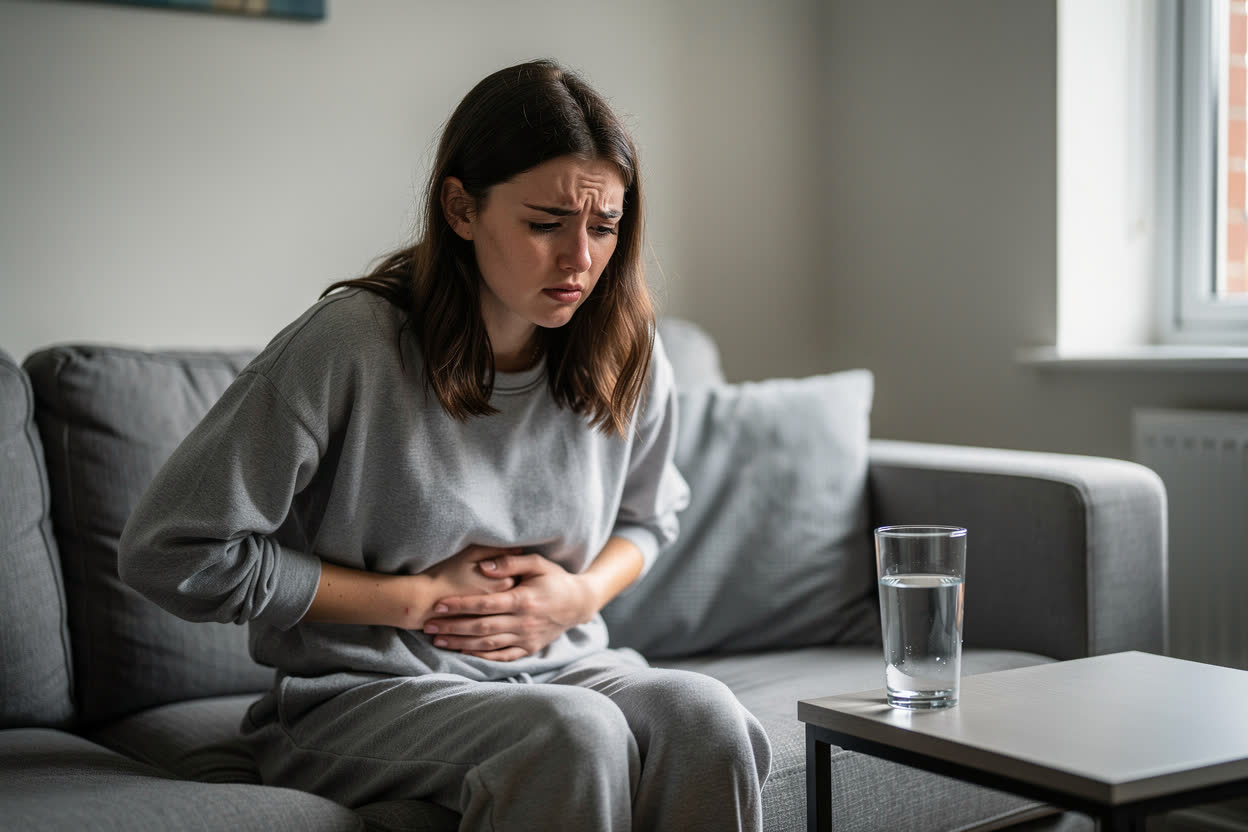
Symptoms usually last from 1 to 7 days, and can include:

  • Nausea, or feeling sick.
  • Vomiting.
  • Diarrhoea.
  • Stomach pain.
  • Fever.
  • In serious cases, collapse.

Vomiting and diarrhoea can also lead to dehydration, which can make the illness much worse, especially in vulnerable people.

Those Most at Risk
Those Most at Risk

Some people are more likely to become seriously ill from food poisoning:

  • Babies and young children.
  • Older people.
  • Pregnant women.
  • People who are already ill, or who have a weakened immune system or a long-term condition, such as diabetes.

If your workplace provides food for these groups, for example in a school, hospital or care home, you must take extra care.

Allergic Reactions
Allergic Reactions

An allergic reaction is not food poisoning, although some symptoms are similar. It is a rapid overreaction by the immune system to a particular food. Symptoms usually appear quickly, and can range from mild to severe:

  • Watery eyes, sneezing and a blocked nose.
  • Flushed skin, or a nettle-like rash.
  • Swelling of the face, mouth or throat.
  • Stomach pain, nausea and vomiting.
  • Difficulty breathing, swallowing or speaking.
  • Changes in heart rate, and a drop in blood pressure.
Anaphylaxis
Anaphylaxis

In severe cases, an allergic reaction can cause anaphylaxis, also called anaphylactic shock. This is a life-threatening emergency. Signs include:

  • Swelling of the mouth, tongue or throat.
  • Swollen eyes, lips, hands and feet.
  • Difficulty breathing or swallowing, and wheezing.
  • An itchy, raised, red rash.
  • Feeling lightheaded or faint.
  • Collapse and loss of consciousness.

You will learn how to respond to an allergic emergency later in the course.

Summary

In this module, you have learned that:

Good food hygiene protects customers, prevents outbreaks, keeps the business within the law and protects its reputation.

The four types of food safety hazard are microbiological, physical, chemical and allergenic.

Contaminated food can cause food poisoning, allergic reactions and injury, and some groups are especially at risk.

In the next module, we will look at the four types of food safety hazard in more detail.

Knowledge Check
Which group of people is most at risk of becoming seriously ill from food poisoning?
Select one answer, then press Check.
Healthy adults aged 20 to 40.
Older people, young children and pregnant women.
People who exercise regularly.
People who only eat at home.
Correct. Older people, young children, pregnant women and people who are already ill are most at risk.
Not quite. Think about whose bodies are least able to fight off an infection. Try again.
Get the full course →Answer the question to unlock the next module.
Page 1 of 20