← Exit
Module 1 · An Introduction to Being a Banksman0% complete · 19 slides left
Banksman / Vehicle Marshal
Module 1
This course contains audio. Use headphones in public places.
The Purpose of a Banksman

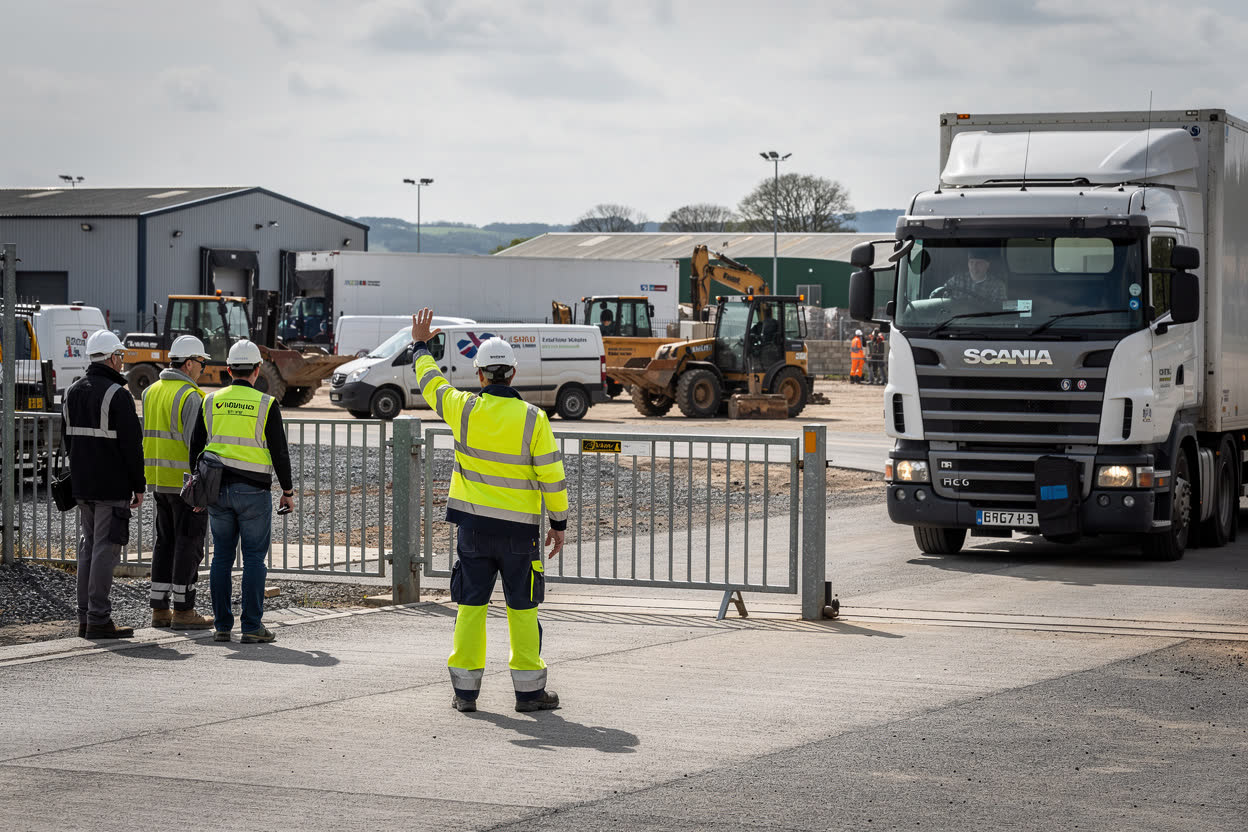
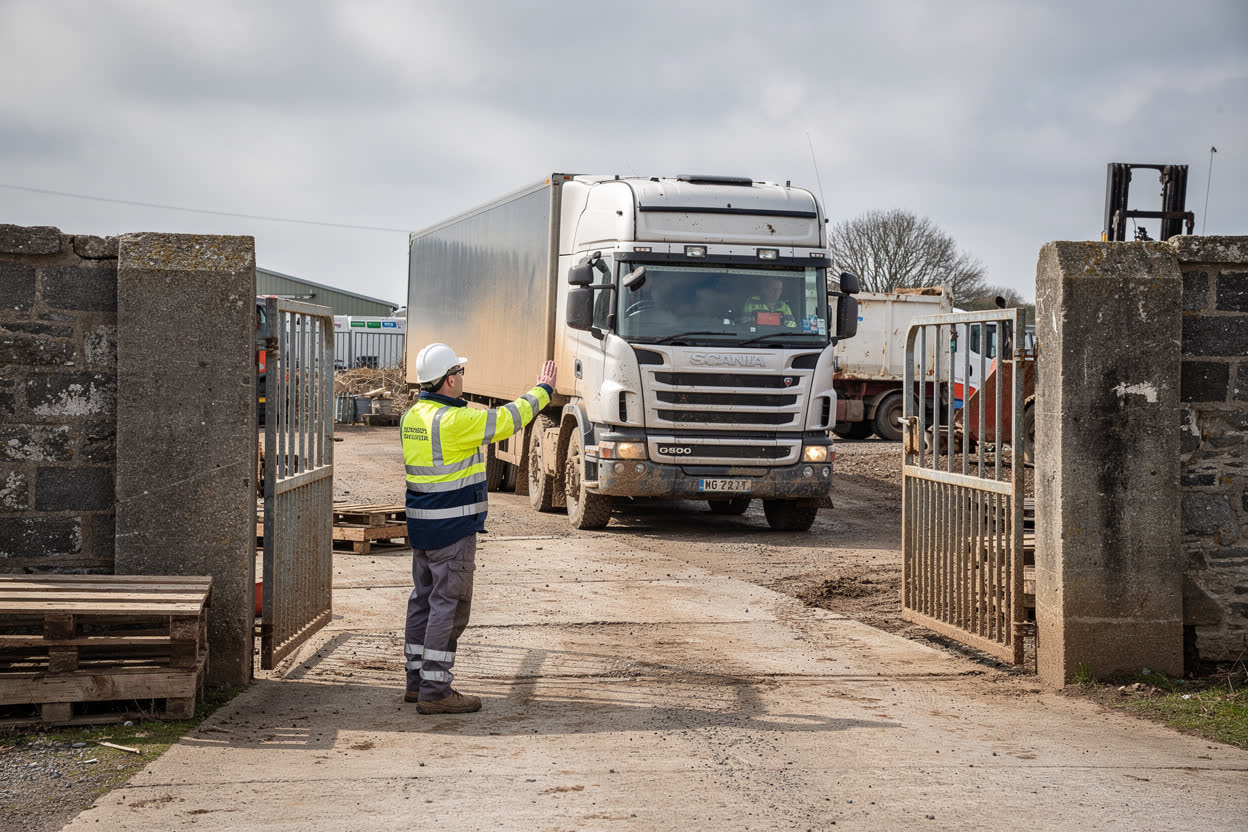
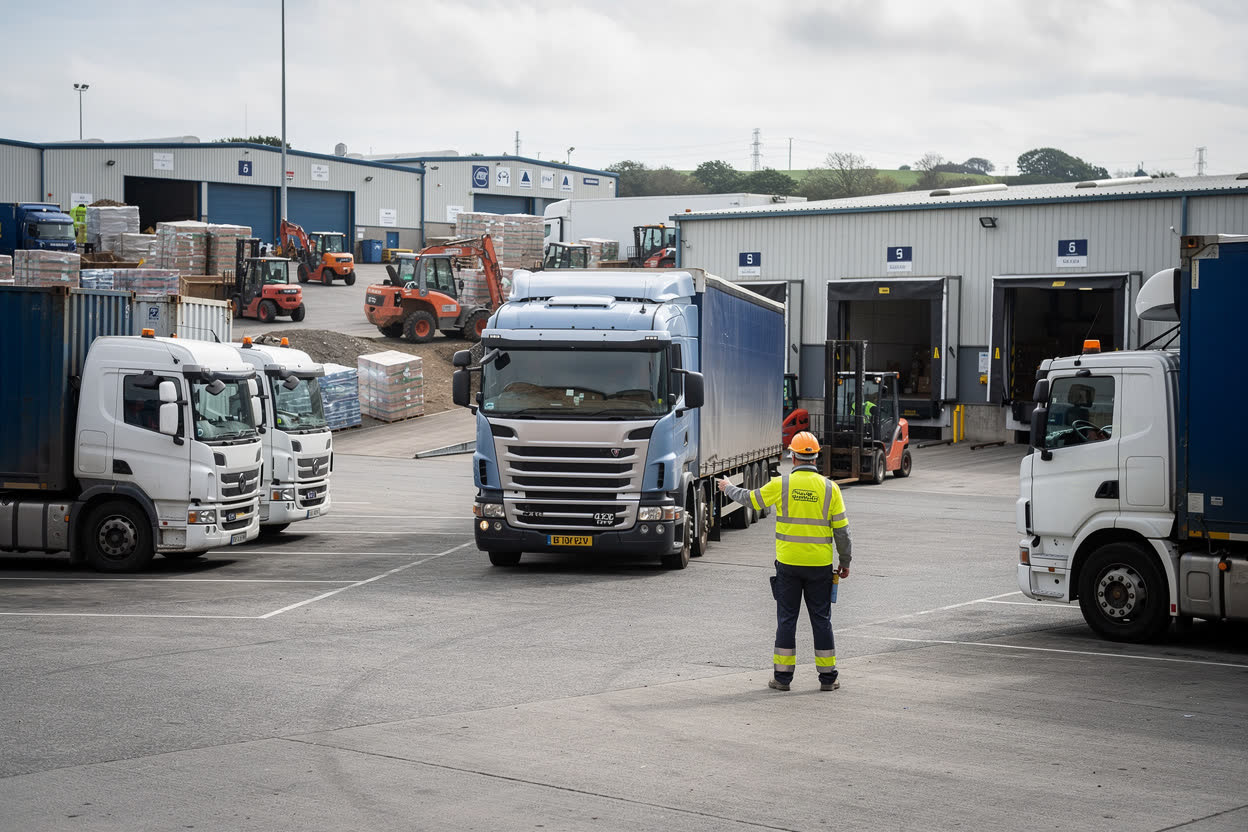
A banksman, often called a vehicle marshal or traffic marshal, guides vehicles and mobile plant so that they can move safely at work. Together, these are known as workplace transport.

The Health and Safety Executive, or HSE, recognises workplace transport as a major cause of serious and fatal injuries. Reversing, poor visibility, and poor separation of vehicles and pedestrians are among the biggest hazards.
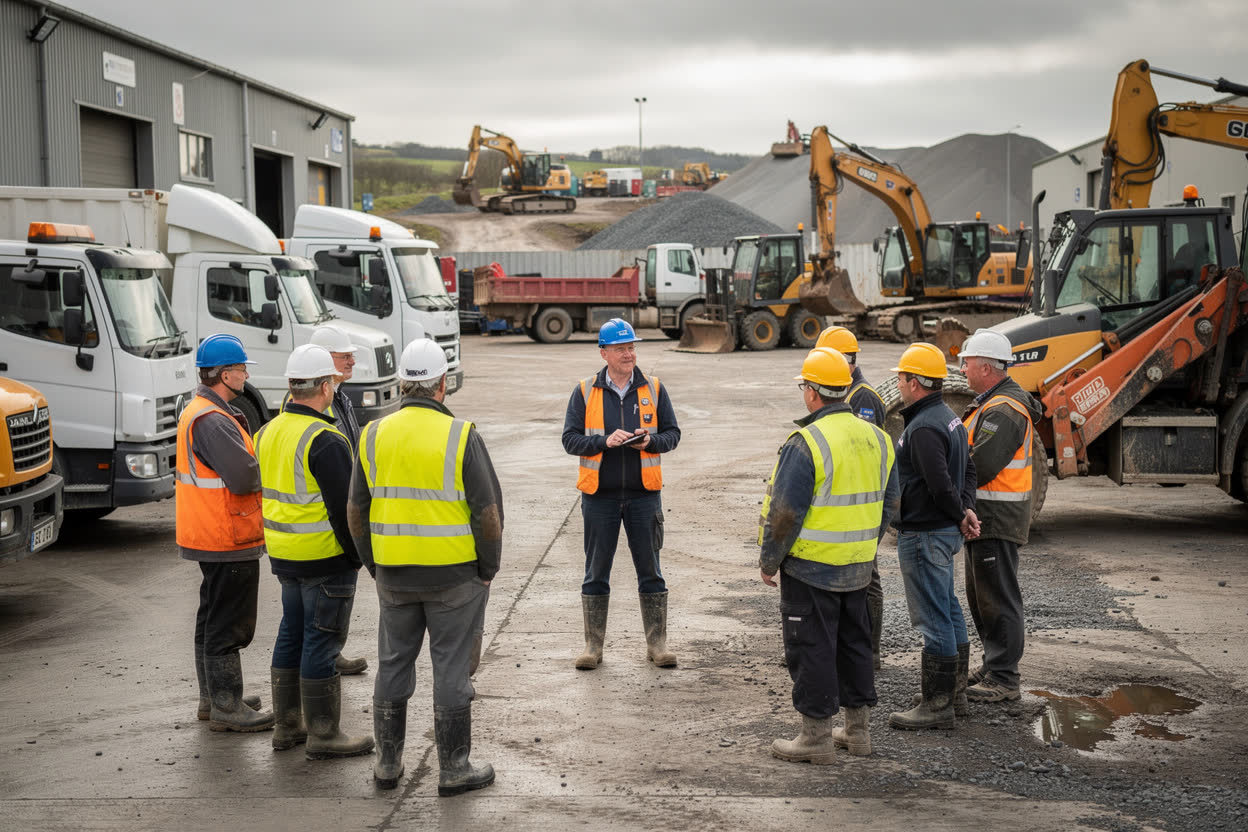
About This Course
About This Course

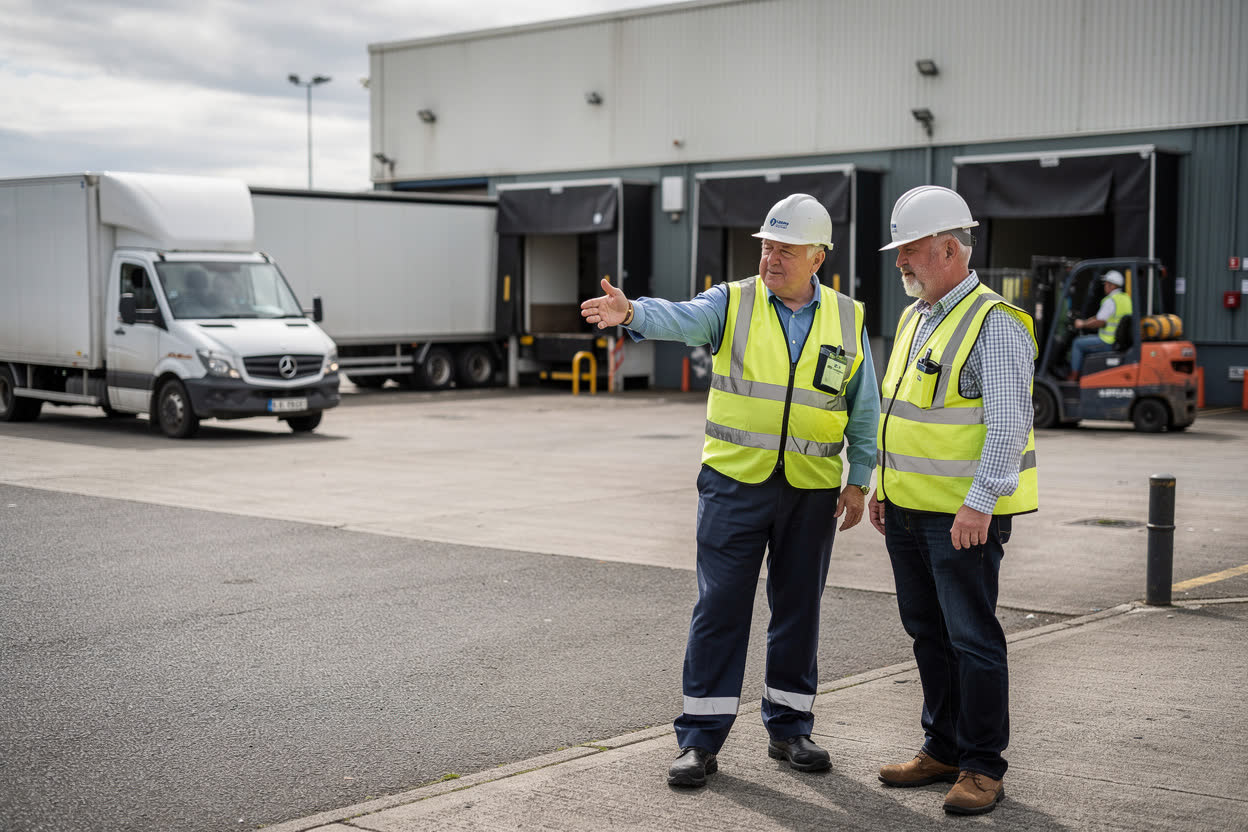
This course gives you the knowledge behind the banksman role: the law, how employers manage vehicle risks, the standard signals, visibility aids, and personal protective equipment.

Knowledge alone is not enough. Before you act as a banksman, your employer must also give you practical, site-specific training in the vehicles, the layout and the rules of your own workplace. This course supports that training, and is a useful refresher for experienced banksmen.

In This Module
In This Module

In this module you will learn about:

  • The types of vehicles and mobile plant a banksman may guide.
  • When a banksman should be used.
  • The main health and safety law and guidance on workplace transport.
  • The function of a banksman, and the training you need.
  • The core principles of safe marshalling, including where to stand.
Vehicles and Mobile Plant

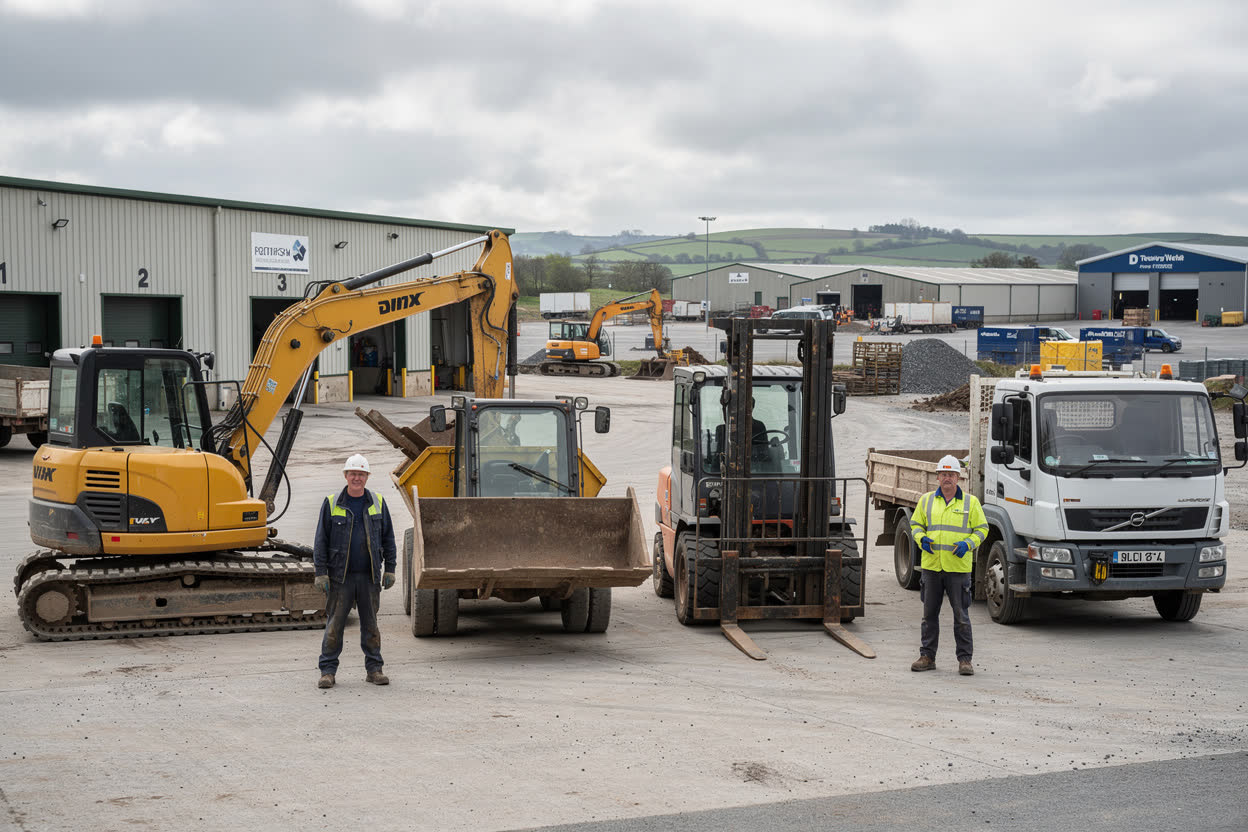
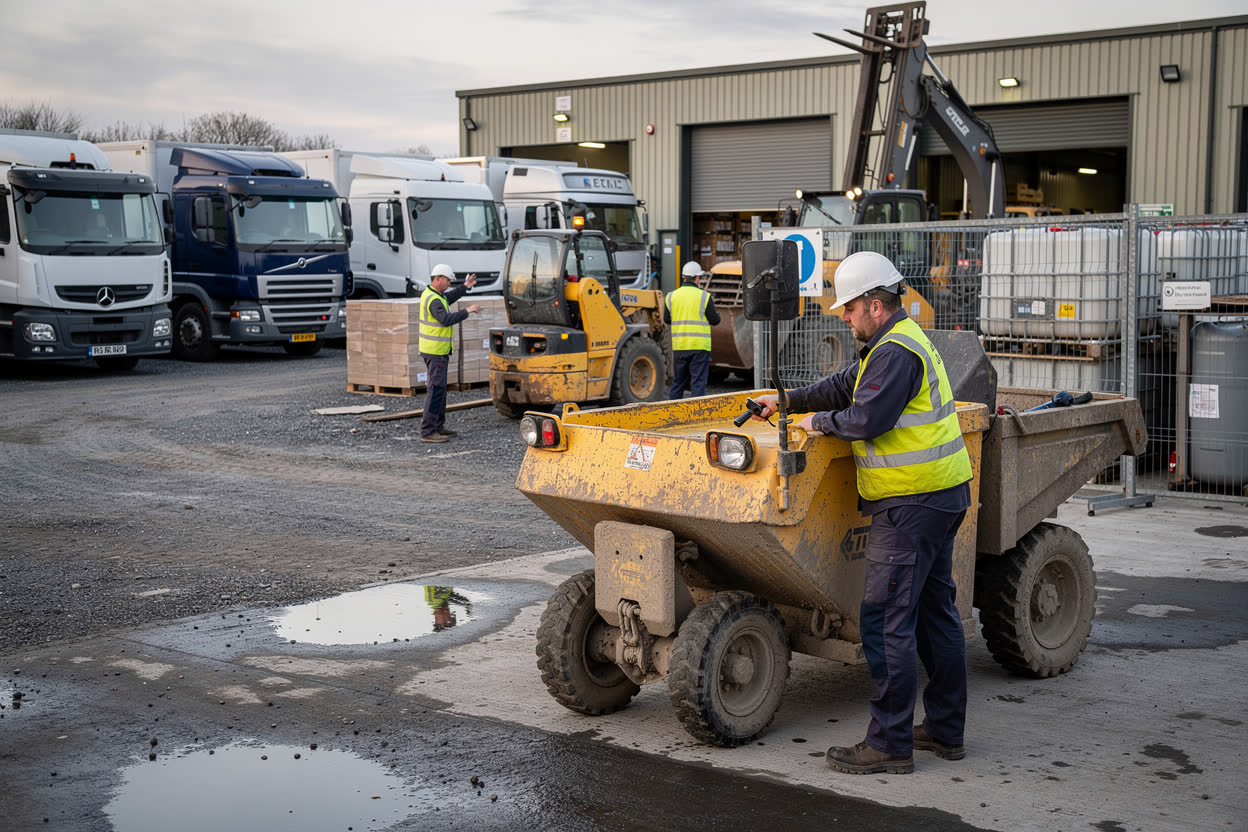
This course covers far more than ordinary road vehicles. As well as cars, vans, lorries and articulated lorries with trailers, it includes mobile plant such as forklift trucks, excavators, dumpers, telehandlers, tractors, and specialist machines like the straddle carriers used at docks.

Throughout the course, the phrase vehicles and mobile plant means all of these.

Where the Course Applies

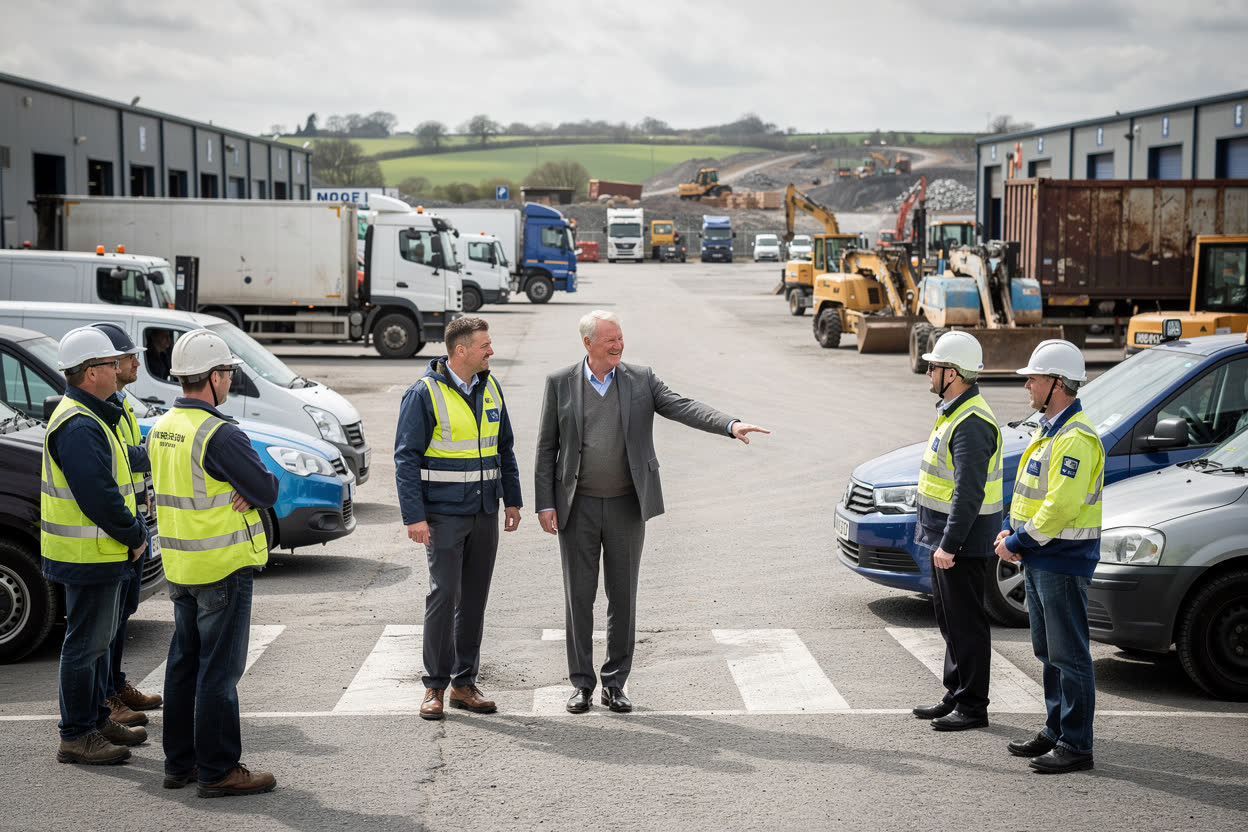
Banksmen work in many places: warehouses, factories, construction sites, farms, forestry, docks, depots and retail delivery yards.

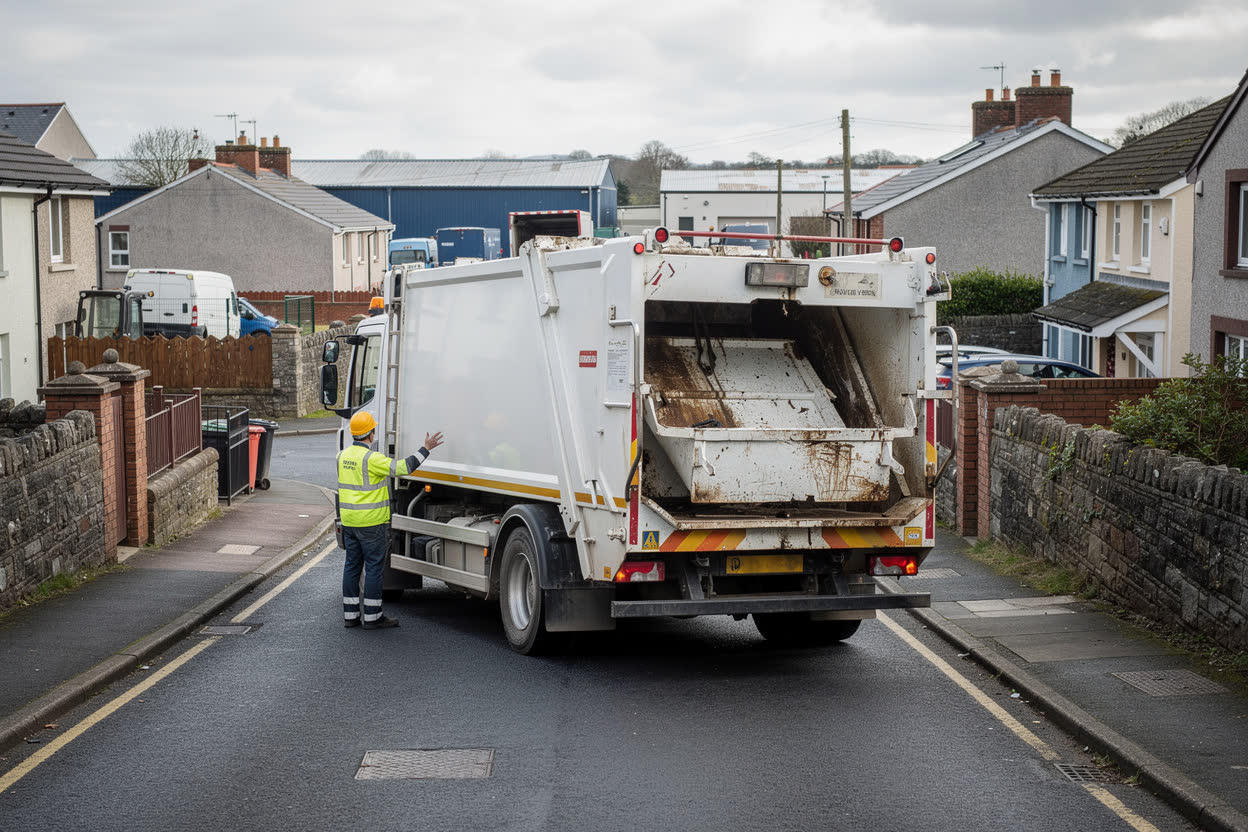
Normal traffic on public roads is covered by road traffic law, not by this course. However, the course does apply when a public road becomes a temporary workplace, for example during refuse collection, roadworks, or the recovery of a broken-down vehicle.

When Should a Banksman Be Used?

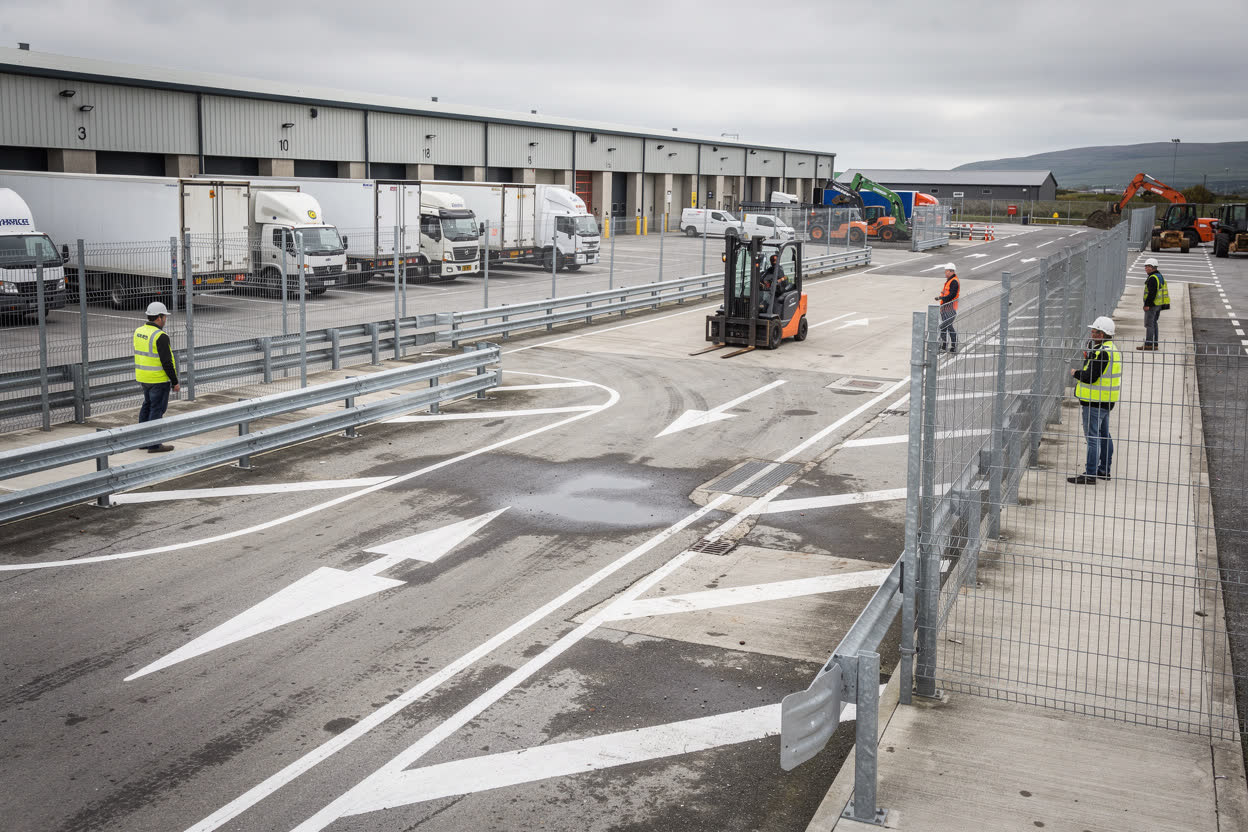
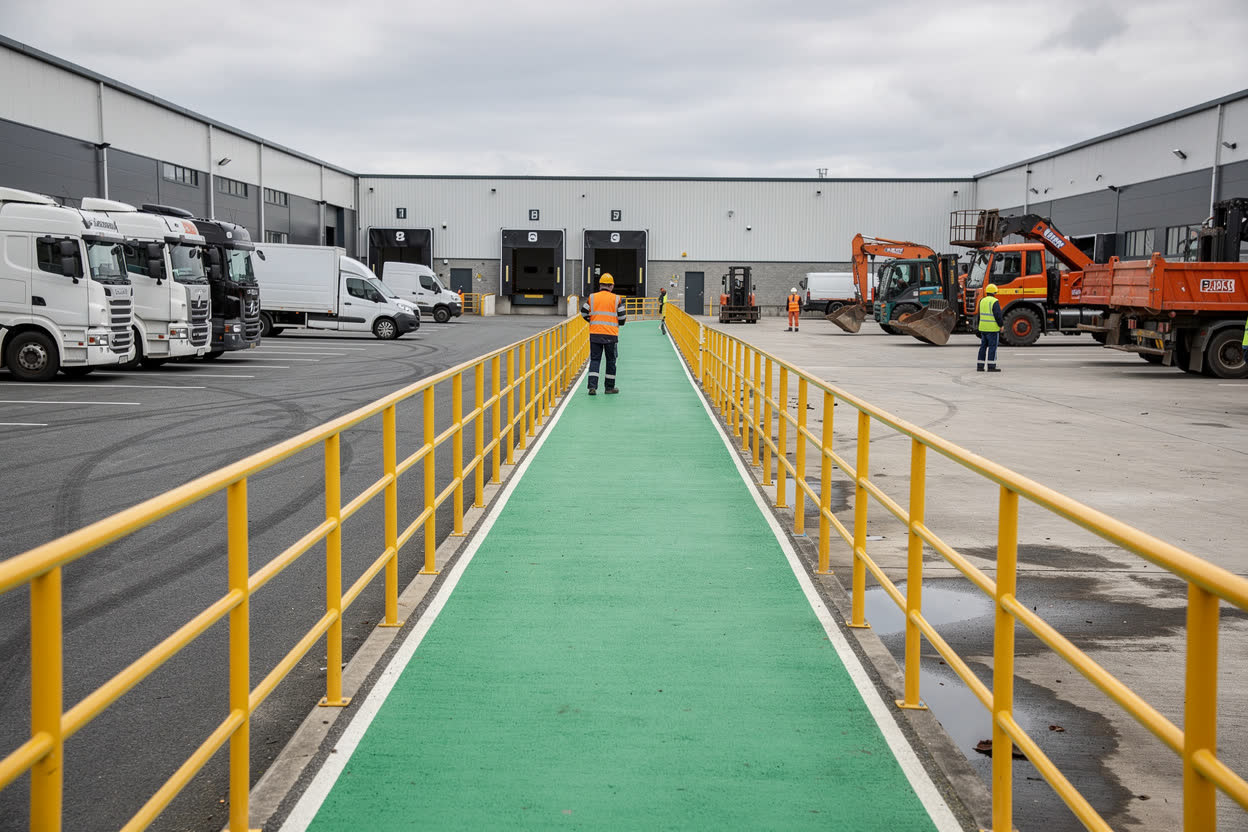
Employers and others in control of sites must assess the risks from vehicle movements, and put controls in place. The most effective controls change the site itself: separate routes for people and vehicles, one-way systems that avoid reversing, barriers, signs, speed limits and good lighting.

A banksman is used only when these physical controls cannot make the operation safe on their own. A banksman is not the first choice. It is an extra control for the risk that remains.

The Health and Safety at Work etc. Act 1974

In Great Britain, the main law is the Health and Safety at Work etc. Act 1974. It requires employers to manage work so that employees, and anyone else affected, are protected, including from vehicle and plant movements.

The employer has overall legal responsibility for making sure that controls are in place to keep drivers and pedestrians safe. Employees must take reasonable care, co-operate with their employer, and use equipment as they have been trained.

Risk Assessment Duties

Under the Management of Health and Safety at Work Regulations 1999, every employer must carry out a suitable and sufficient risk assessment. With five or more employees, the significant findings must be recorded.

For workplace transport, this means planning vehicle movements, protecting pedestrians, and arranging supervision and communication. Because transport risks are so serious, many sites carry out a separate transport risk assessment.

Traffic Routes in the Workplace

The Workplace (Health, Safety and Welfare) Regulations 1992 require workplaces to be organised so that pedestrians and vehicles can move safely.

Traffic routes must be suitable for the people and vehicles using them, kept in good condition, and laid out to separate vehicles from pedestrians wherever reasonably practicable.

Construction Sites
Construction Sites

On construction sites, the Construction (Design and Management) Regulations 2015 add further duties for traffic routes, vehicles and plant.

Construction work needs extra planning and co-ordination, because plant, delivery vehicles, contractors and pedestrians share the same space, and the layout, hazards and traffic patterns can change from day to day.

Safety Signs and Signals

The Health and Safety (Safety Signs and Signals) Regulations 1996 require safety signs and signals wherever risks remain after other controls, and set out the standard hand signals and verbal signals.

In this course, we call these simply the Signs and Signals Regulations. You will learn the signals themselves in Module 3.

Safe Vehicles and Equipment

Under the Provision and Use of Work Equipment Regulations 1998, vehicles and mobile plant used at work must be suitable for the task and maintained in a safe condition. Road vehicles must also meet the Road Vehicles (Construction and Use) Regulations 1986.

As the person guiding these vehicles, you need to understand their limits and blind spots, so that you can stop an unsafe movement straight away.

Official Guidance
Official Guidance

The HSE publishes guidance on workplace transport safety, and on the safety signs and signals requirements. It explains how routes, separation of people and vehicles, supervision, vehicle condition and communication work together to control transport risks.

Your employer should use this guidance when planning vehicle operations, and it supports the signals you will use as a banksman.

The Function of a Banksman

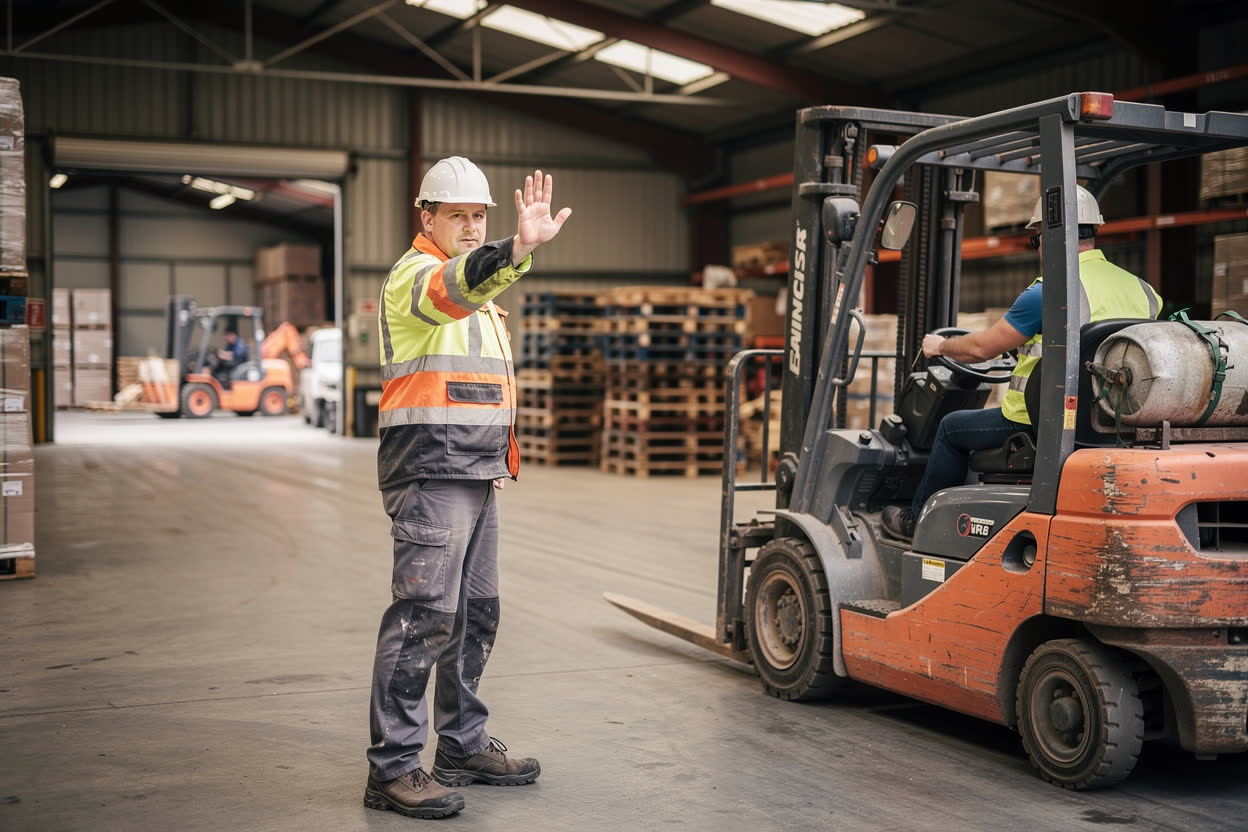
Your main job is to guide a vehicle or machine whenever the driver or operator needs help from outside to move safely, and to keep other people out of the danger area.

Reversing is the most common example. Guidance is also needed when:

  • Driving through tight spaces where the driver cannot see clearly.
  • Moving over unfamiliar or uneven ground, for example in forestry or on farms.
  • Manoeuvring near people, buildings, edges or overhead hazards.
Training You Need
Training You Need

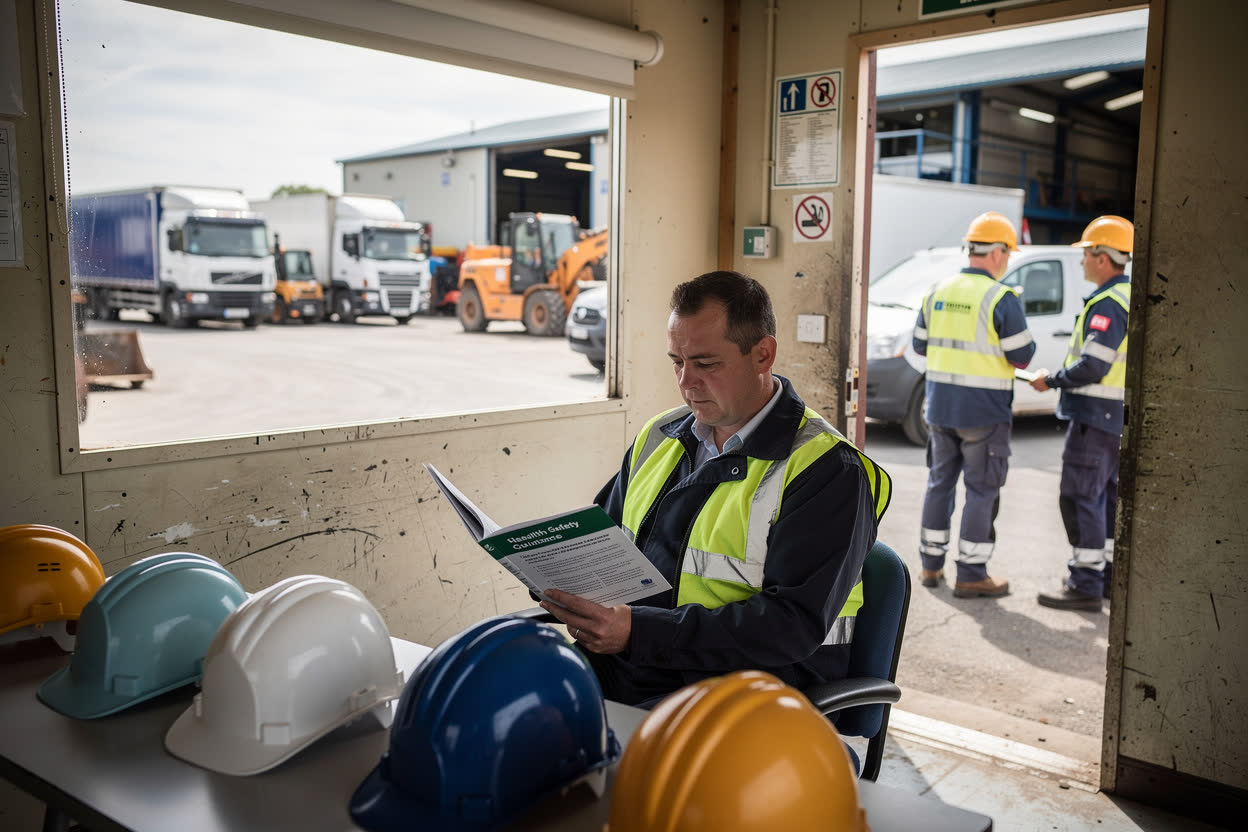
Nobody may act as a banksman unless they have been properly trained. Practical, site-specific training is essential, covering the site layout, the vehicles and plant in use, and the signals agreed on site.

Training can be given by an outside provider or in-house. Either way, the trainer must be competent in the types of operation carried out, the vehicles used, and the site layout.

Directing cranes and lifting operations needs separate slinger signaller training, and is outside this course.

Core Principles of Safe Marshalling

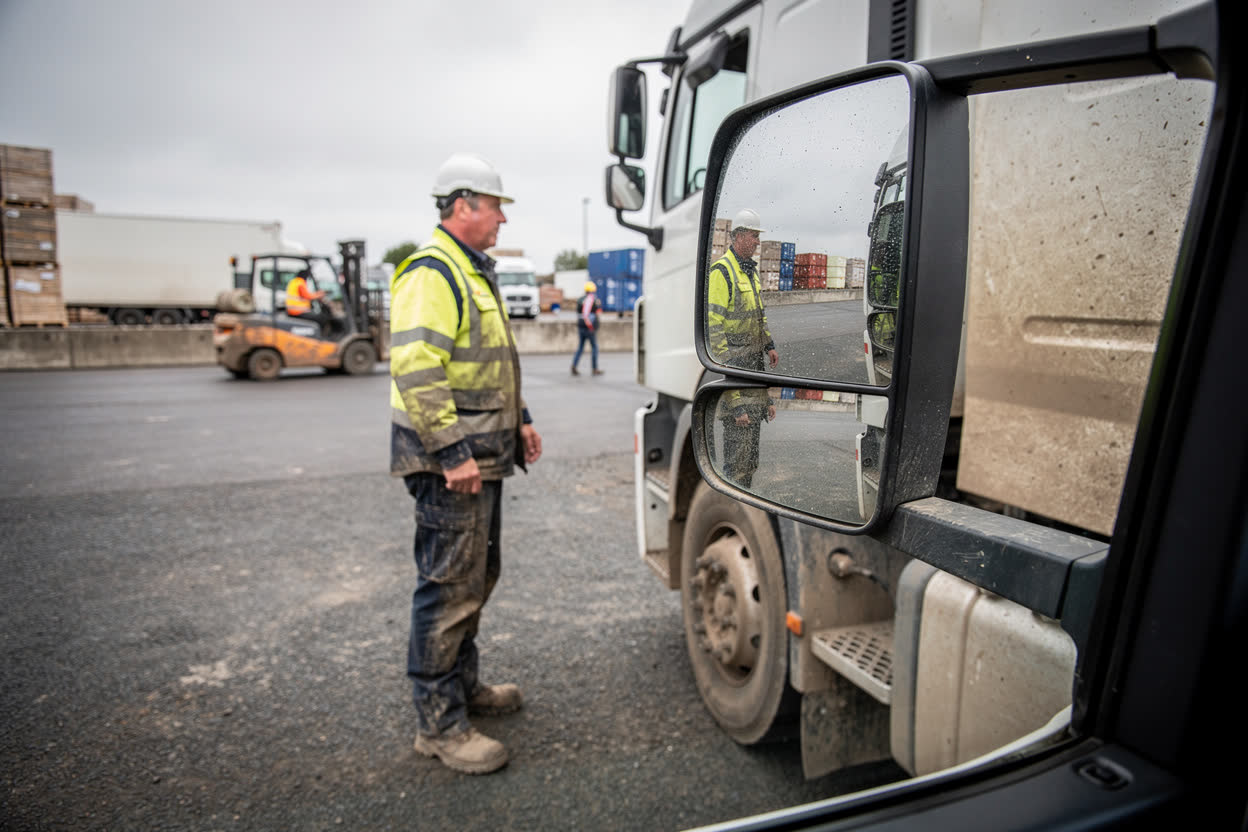
To work safely, a banksman must:

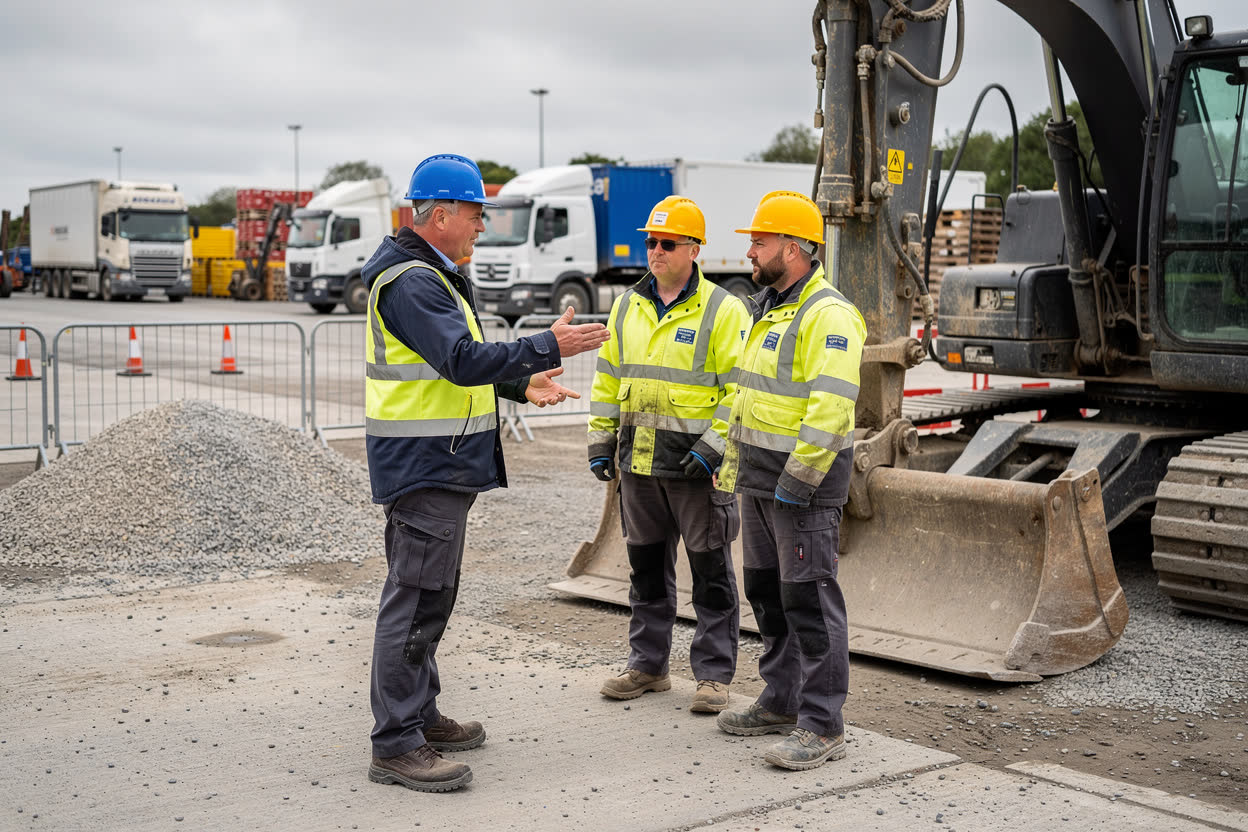
  • Agree the system of signals with the driver before any movement begins.
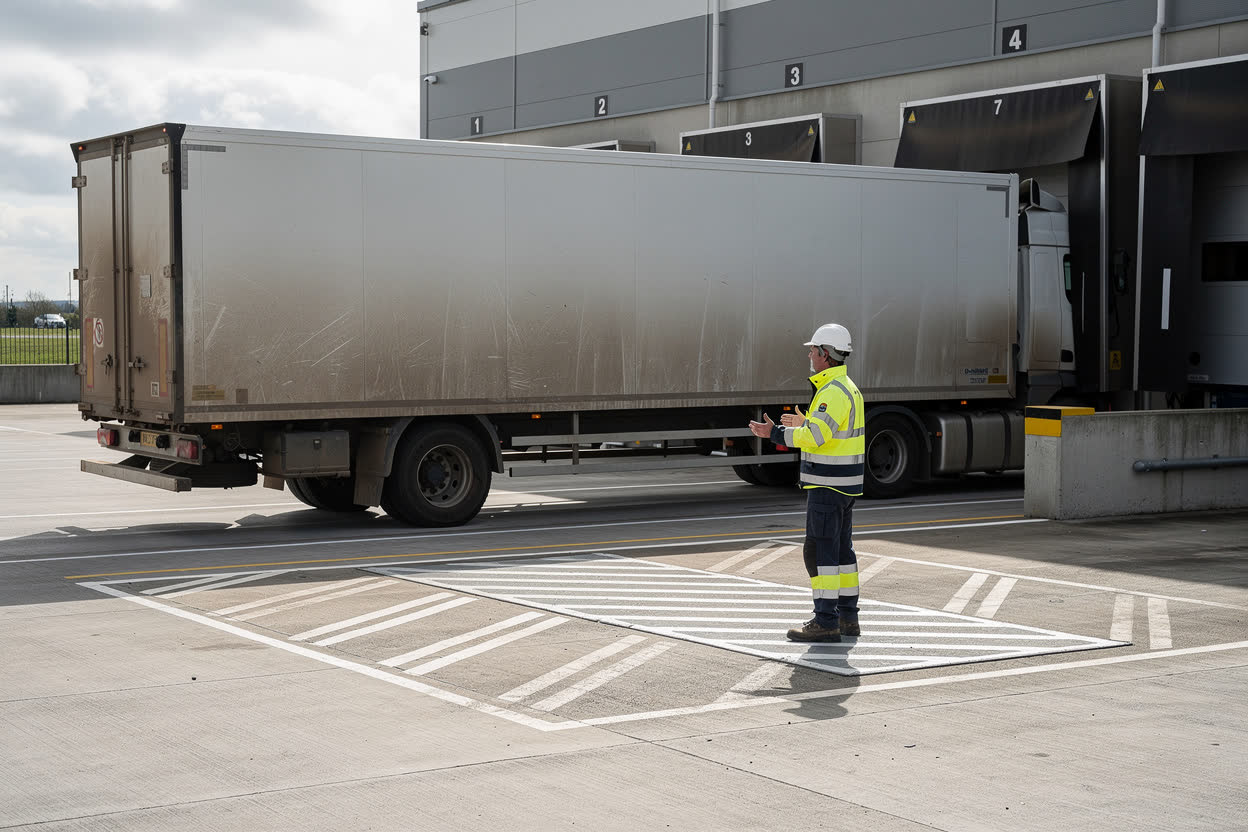
  • Stand in a safe position, out of the path of the vehicle.
  • Stay where the driver can see you at all times, and never stand in a blind spot.
  • Keep the driver, or the driver’s mirrors, in view throughout.
  • Wear the high-visibility clothing provided by your employer.
Securing Your Position

Never stand where you could be trapped between a vehicle and a wall, another vehicle or a fixed object. Safe standing positions should be identified in the transport risk assessment and shown to you during your induction.

If the driver loses sight of you at any point, they must stop the vehicle immediately.

On some sites, such as quarries with very large earth-moving machines, banksmen are banned or strictly limited, because the driver cannot reliably see a person on foot.

Summary

In this module, you have learned that:

A banksman guides vehicles and mobile plant, and keeps people out of the danger area, when physical site controls cannot make the work safe on their own.

The employer has overall legal responsibility for transport safety. Workers must co-operate and follow their training.

You must be trained for your site, stand where the driver can always see you, and the driver must stop if they lose sight of you.

In the next module, we will look at how employers manage vehicles and mobile plant safely.

Knowledge Check
Who may carry out the duties of a banksman?
Select one answer, then press Check.
Anyone who has worked on the site for at least six months
Anyone wearing high-visibility clothing and the right protective equipment
Anyone who knows the general hand signals used with drivers
Someone who has completed practical training for that specific workplace and its activities
Correct. Only people who have been properly trained, including practical training for that site, may act as a banksman.
Not quite. Clothing, experience on site or general knowledge of signals are not enough. Think about training, and try again.
Get the full course →Answer the question to unlock the next module.
Page 1 of 20