Back Pain at Work: How Manual Handling Training Helps
Back pain is one of the biggest causes of lost working days in Britain — and much of it traces back to how loads are lifted and carried. The good news: better posture, smarter technique and early reporting can stop most of it before it starts.
If you have ever finished a shift with a dull ache low in your back, you are far from alone. Back pain is one of the most common reasons people in Britain take time off work, and a great deal of it is linked to how loads are lifted, carried and handled day after day. The encouraging news is that much of it is preventable — and good manual handling training is one of the most practical ways to prevent it.
Back pain is not always caused by one dramatic lift. More often it builds up: repeated bending, twisting and reaching gradually wear at the muscles, discs and ligaments of the spine until something gives. Because it accumulates quietly, it is easy to ignore until it becomes a problem that keeps you off work.
Why back pain dominates UK absence
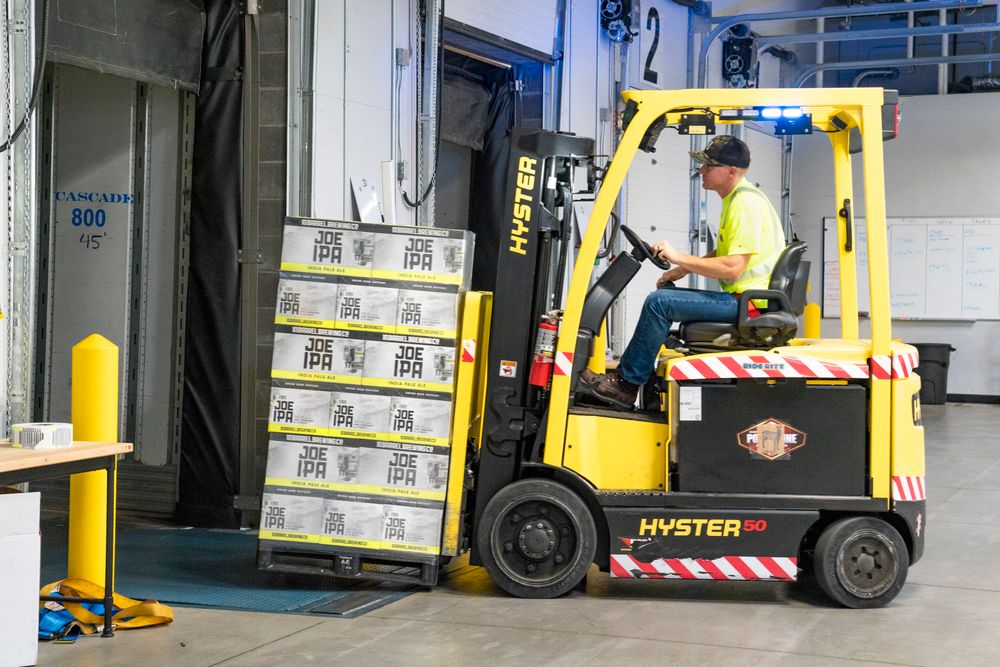
Musculoskeletal disorders — and back pain in particular — account for a large share of work-related ill health and lost working days across Britain. They affect office workers, drivers, carers, warehouse staff and tradespeople alike. The common thread is the way the back is loaded: handling tasks that involve heavy or awkward loads, poor posture, or sheer repetition put the spine under strain it was never designed to take, shift after shift.
The cost is felt twice over — by the worker living with pain, and by the employer covering the absence. That is why the Manual Handling Operations Regulations 1992 (MHOR) and the Health and Safety at Work etc. Act 1974 (HSWA)require employers to assess and reduce handling risk, with the Health and Safety Executive (HSE) treating musculoskeletal harm as a serious workplace issue rather than an inevitable part of the job.
Posture, technique and load management
Most back-protecting habits come down to three things: how you position your body, how you move the load, and whether you should be lifting it at all.
- Posture — keep the load close, bend at the hips and knees rather than the waist, and keep the back's natural curve. Lead with your head and let your legs do the work.
- Technique — plan the lift, get a secure grip, lift smoothly without jerking, and never twist while carrying. Turn your feet, not your spine.
- Load management — break a heavy load into smaller ones, use a trolley or aid, or ask for help. The strongest lift is the one you avoid.
Your back does not keep score of single lifts — it keeps score of thousands. Good technique is what stops the count from catching up with you.
None of this is about lifting "perfectly" once. It is about building habits that protect the spine across an entire working life. A clear understanding of safe lifting technique is the foundation, and recognising the common manual handling injuries helps workers spot the warning signs early.
Train in Manual Handling — the right way
Self-paced, HSE-aligned, certificate issued the same day — from £23 per person.
Early reporting matters
One of the most powerful tools against back pain costs almost nothing: speaking up early. A niggle reported today can be managed with a small adjustment — a different lifting method, a mechanical aid, a change of task. The same niggle ignored for three months can become a chronic injury that needs time off and treatment.
Employers help by making reporting easy and blame-free, so workers raise discomfort before it becomes damage. A culture where "my back's been twingeing" is met with a sensible look at the task, rather than a shrug, prevents far more long-term absence than any single piece of equipment.
How training reduces the risk
Manual handling training works because it changes behaviour at the point where injuries happen — the moment of the lift. Trained workers plan their handling, position themselves correctly, use aids without being told, and know when a load needs a second person. They also understand why the back is vulnerable, which makes good habits stick rather than fade after a single toolbox talk.
Combined with a sound risk assessment that designs out the worst tasks, training is one of the most cost-effective ways to cut back pain in a workforce. It is also a clear demonstration that an employer has taken its MHOR duties seriously.
Key takeaways
- Back pain is a leading cause of UK work absence, much of it linked to manual handling.
- It usually builds up over time — posture, technique and load management all matter.
- Reporting discomfort early prevents minor strains becoming chronic injuries.
- Training changes behaviour at the moment of the lift and helps employers meet MHOR duties.
Protect your team's backs
Back pain may be common, but it is not inevitable. Equipping workers with the right knowledge is a small investment that pays back in fewer aches, fewer absences and a healthier team. Our online Manual Handling course is HSE-aligned, self-paced and just £23 per person, with the certificate issued the same day — a simple, practical step towards fewer bad backs at work.