Food Hygiene Certificate Levels 1–3 Explained
“Which food hygiene level do I need?” is a common question when somebody joins a café, starts a home bakery or takes charge of a kitchen. The answer depends on the work they do, the risks in that work and their responsibility for other people. Levels 1, 2 and 3 are familiar course labels, but they are not separate licences issued by the Food Standards Agency (FSA). A course certificate can help show what somebody has studied. The real test is whether they can handle food safely in their particular job.
What the law actually asks for
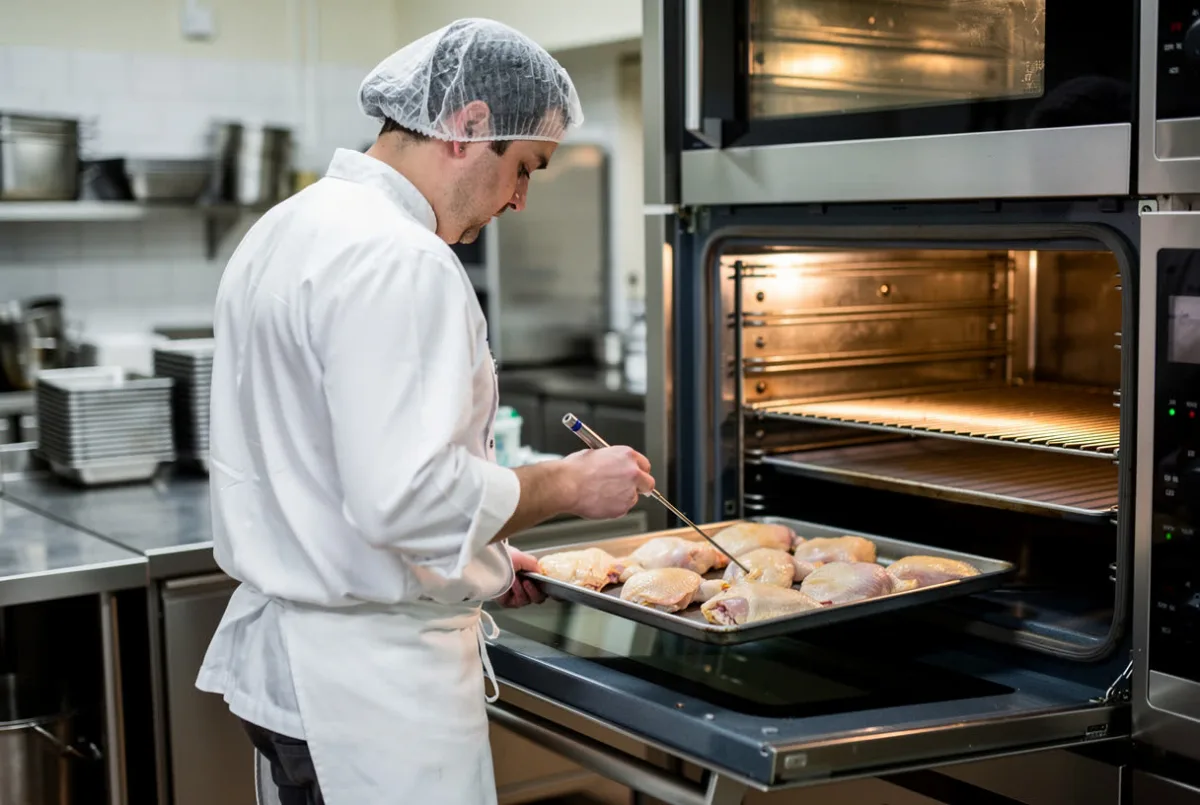
Food businesses must ensure that food handlers are supervised and instructed and/or trained in food hygiene matters appropriate to their work. A named Level 1, 2 or 3 certificate is not itself a legal requirement. Managers should match learning to tasks, check that workers understand the procedures and keep useful records. A new starter who only clears tables has different risks from a cook preparing raw poultry and ready-to-eat salads. A supervisor who writes the kitchen’s food safety procedures needs still broader knowledge.
Training may be formal, in-house or on the job. A course offers a structured starting point, especially where an employer needs consistent evidence across a team. It does not replace a site induction: every employee must know the actual layout, equipment, recipes, allergen controls and reporting rules in the kitchen where they work.
Level 1: an introduction for limited food duties
Level 1 usually introduces personal hygiene, handwashing, basic contamination risks, cleaning and safe storage. It can suit staff with limited food contact, such as a new front-of-house employee who may serve packaged food or help with simple tasks under close supervision. It also gives a useful foundation before somebody moves into a food preparation role.
Do not choose Level 1 simply because the worker is new. If their first shift involves assembling sandwiches, handling open ready-to-eat food or cooking, their training and supervision must fit those activities. Give practical instructions before the task begins: which sink is for handwashing, how to report illness and who answers an allergen query. Our Food Hygiene & Safety Level 1 course introduces these fundamentals.
Level 2: day-to-day food handling
Level 2 is commonly chosen for chefs, kitchen assistants, café staff and others who prepare, cook, store or serve food. Typical topics include temperature control, cross-contamination, cleaning, personal hygiene, allergens and the part a food handler plays in the business’s food safety system. The content should reflect the setting. A takeaway cook may need detailed controls for cooling rice and reheating; a deli worker may need additional focus on display and allergen information.
In a catering kitchen, the course should be followed by demonstration and observation. Ask the learner to use a clean probe correctly, separate raw and ready-to-eat ingredients, and explain what to do if the fridge is too warm. Our Food Hygiene for Catering Level 2 course is the relevant option for most hands-on catering roles. A certificate shows course completion; safe behaviour on a busy Friday service shows whether learning has taken hold.
Level 3: supervising a food safety system
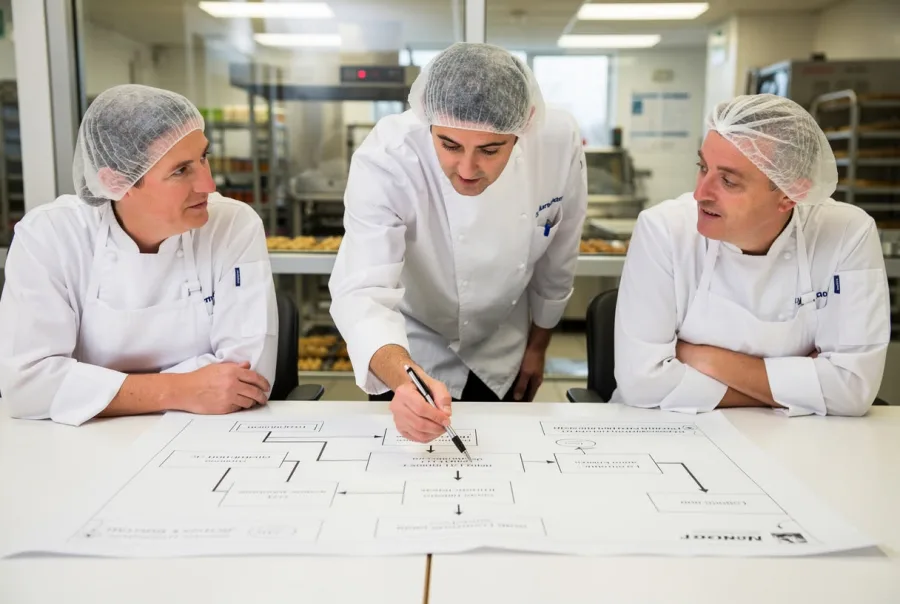
Level 3 usually suits head chefs, shift leaders, catering managers and owners who supervise handlers or manage procedures. It builds on handling knowledge by considering hazards across the whole operation: selecting controls, monitoring them, taking corrective action, maintaining records and reviewing what changes when menus or equipment change. The manager must be able to explain not only how a rule works but why it exists and how staff follow it.
For example, a supervisor should know what happens when a delivery arrives above the business’s chilled-food limit, how the decision is recorded and whether the supplier needs following up. They should check that allergen information follows current recipes and that staff know whom to ask before promising a dish is safe. Our HACCP Level 3 course focuses on those management responsibilities.
How to choose without overcomplicating it
Write down each role’s actual food tasks. Identify where errors could harm a customer: raw meat handling, cooling, reheating, ready-to-eat preparation and allergen communication are common examples. Choose a suitable course level, add site-specific instruction and decide who will supervise the worker until they are competent. If duties change, update training rather than assuming an old certificate covers the new work.
Keep a simple record of the course or instruction given, the date, the trainer and any practical check. Revisit training after an incident, a poor inspection finding or a significant change to the menu. There is no single level that makes a business compliant by itself. The right combination is suitable learning, clear procedures, effective supervision and consistent practice.
Further guidance
Read the FSA’s hygiene training record guidance for its explanation of training and supervision duties.
Food Hygiene training online
Self-paced online course with an assessment and a downloadable certificate.
A final check for employers
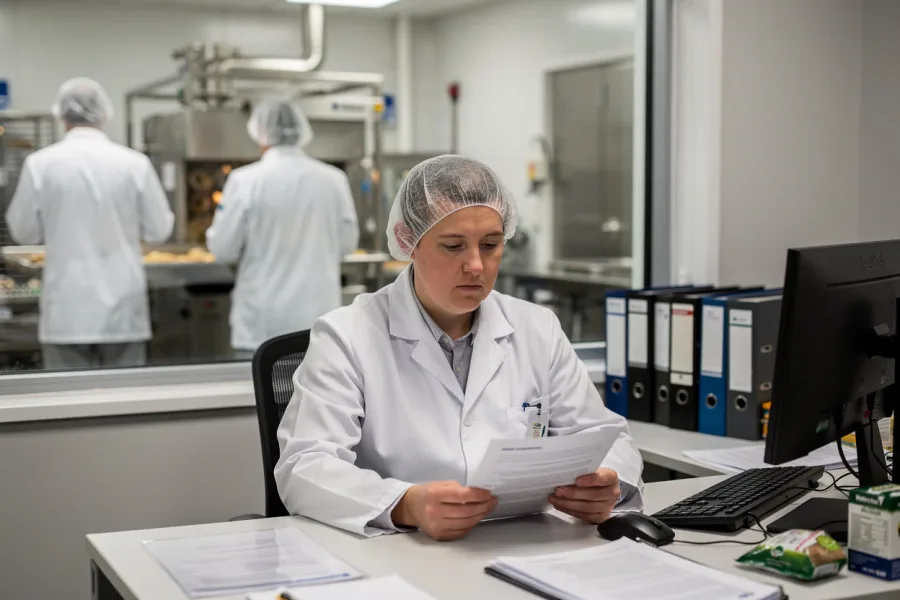
Before booking a course, compare its topics with your own food safety plan. If the team handles chilled ready-to-eat food, allergen requests or bulk cooking, make sure those subjects are addressed in the induction as well as in general learning. Decide who will sign off practical competence and what will trigger a refresher. This makes the certificate part of an accountable training process rather than an isolated purchase.
For a mixed role, such as a server who also prepares desserts, base the decision on the highest-risk task they actually perform. Review the job description with the worker rather than relying on a title such as “assistant”. The appropriate level can change as duties grow.