Food Hygiene Ratings: How Training Helps
A Food Hygiene Rating Scheme (FHRS) sticker is a snapshot of the hygiene standards an inspector found at a business. In England, Wales and Northern Ireland, the scheme rates many businesses that serve or sell food directly to consumers from 0 to 5. Five means hygiene standards are very good; zero means urgent improvement is required. Scotland uses a different Food Hygiene Information Scheme, so a UK-wide training plan should not confuse the two.
What goes into a rating?
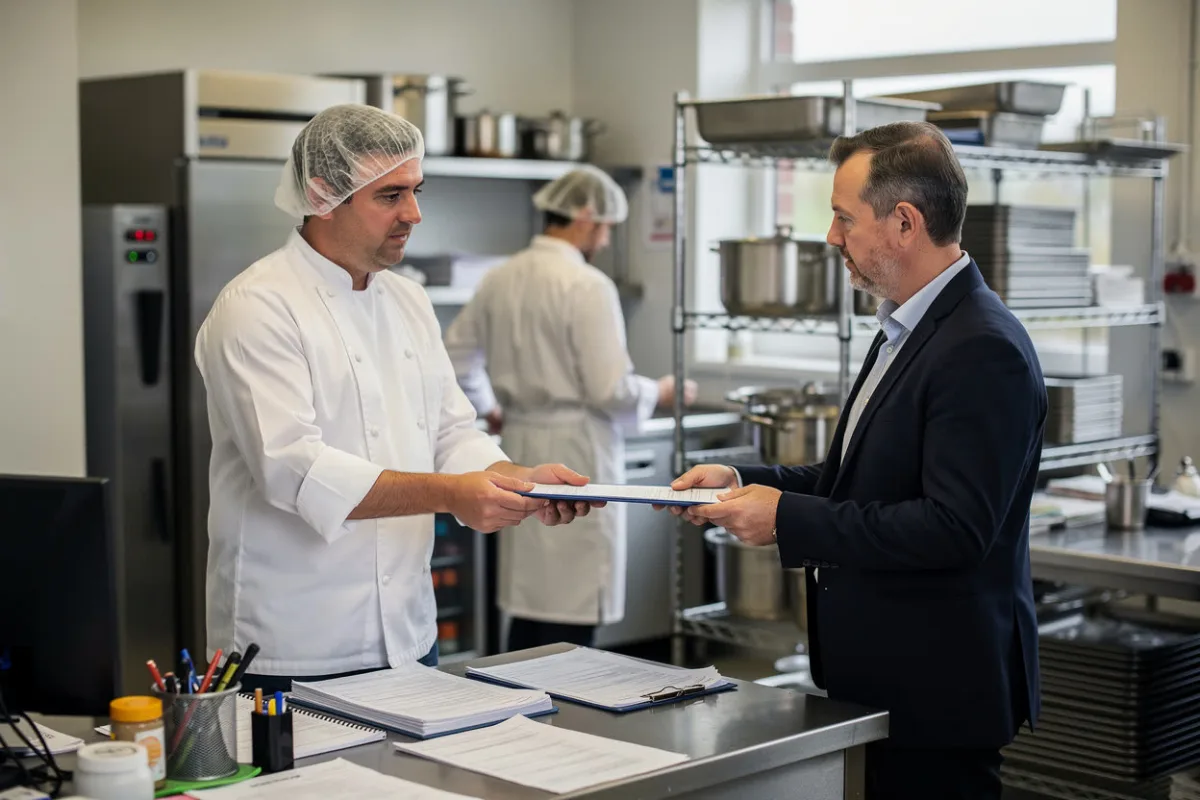
A local authority food safety officer assesses three broad areas: how hygienically food is handled, the condition and cleanliness of the premises and facilities, and how the business manages food safety. Handling includes preparation, cooking, cooling, storage and cross-contamination. Premises include the structure, equipment, pest controls and cleaning. Management includes whether safe procedures exist, are followed and are checked.
The rating reflects what is found at the inspection, not a promise about every future meal. It is not a score awarded for holding a certificate or buying a particular course. Training can support the practices that are assessed, but it cannot conceal broken refrigeration, missing records or poor supervision.
What each number means
The FSA describes 5 as “very good”, 4 as “good” and 3 as “generally satisfactory”. A 2 means improvement is necessary; a 1 means major improvement is necessary; and a 0 means urgent improvement is required. A lower rating should prompt a specific improvement plan based on the officer’s findings. Staff should know which problems affect their station and who is responsible for putting them right.
In Wales and Northern Ireland, businesses covered by the scheme are legally required to display their rating sticker. In England, display is encouraged. Customers can also check ratings online. Managers should use the current FSA guidance for the nation where they trade rather than assuming one display rule covers every site.
Where training makes a practical difference
Training helps when it changes what people do. A cook who knows how to probe the thickest part of a dish can verify the business’s cooking method. A server who knows not to invent an allergen answer can prevent unsafe advice. A cleaner who follows the correct product dilution and contact time can make cleaning effective rather than merely visible. These habits are relevant to the inspector’s three assessment areas.
Start by teaching the whole team the safe methods that apply to their work, then have supervisors watch the methods being used. Record instruction and correct mistakes promptly. Our Food Hygiene for Catering Level 2 course covers core food handling topics; managers responsible for the system may also consider HACCP Level 3. Each still needs a site-specific induction.
Prepare for the normal working day
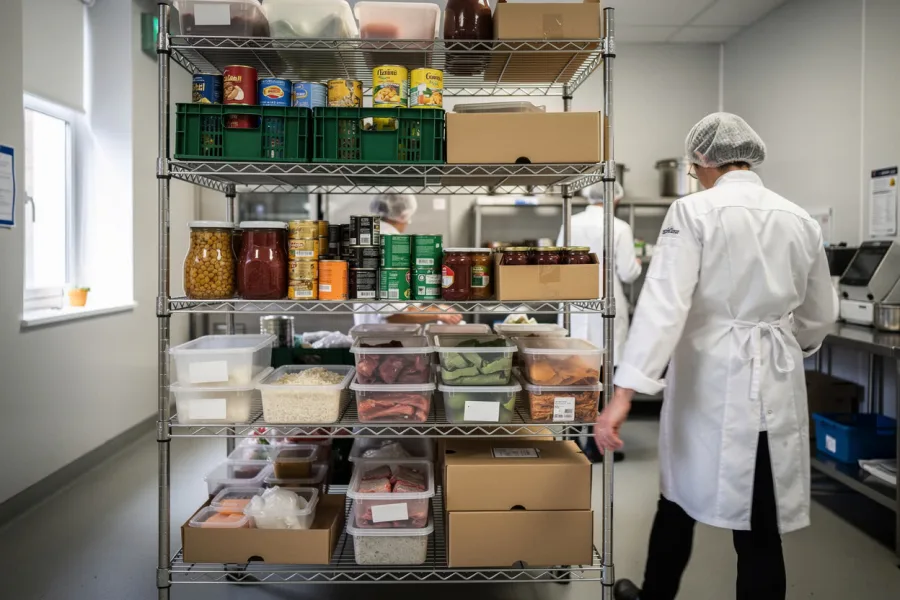
Good inspection preparation is ordinary, repeatable practice. Check deliveries before accepting them. Keep raw food separate from ready-to-eat food, monitor fridges and hot holding, clean food-contact equipment properly and record corrective action when a check fails. Keep the food safety system available and current. If a recipe changes, update its allergen information immediately and tell the team.
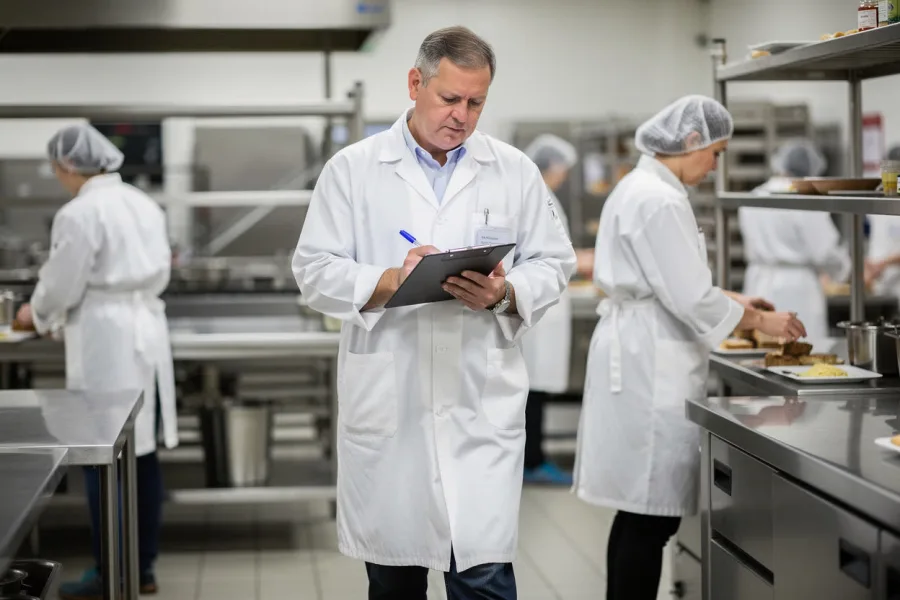
Ask a supervisor to walk through the premises as an officer might: can staff explain the handwashing procedure, show a clean probe and locate the latest cleaning record? Are the refrigerator readings plausible, and did somebody act on any out-of-range result? If a record says everything was fine but the equipment is not working, investigate rather than filling in another tick box.
After an inspection
Read the report carefully. Assign each issue to an owner and date, prioritising anything that could make food unsafe now. Fix the cause as well as the visible symptom. Repeated missing temperature checks may mean the rota leaves nobody responsible, not just that staff need a reminder. If a lower rating is issued, ask the local authority about its appeal and requested re-inspection processes; those procedures and any fees depend on the jurisdiction.
A higher rating grows from sustained safe practice. Use the FSA’s food safety inspection checklist to review common points, and see the FSA explanation of FHRS assessment areas for the scheme’s basis.
Catering Food Hygiene training online
Self-paced online course with an assessment and a downloadable certificate.
Training gaps that can show up on inspection
A team may have certificates while basic controls are inconsistent. One shift might record refrigerator temperatures but leave a high reading unresolved; another may clean equipment without observing the chemical contact time. These are opportunities to check whether the safe method is clear, whether time and equipment are available, and whether supervisors reinforce it. Use brief demonstrations and spot checks to address the precise weakness. When the whole team understands why a control exists, it becomes easier to maintain between inspections.
Include front-of-house workers in that review. They may not cook, but they handle allergen questions, unpackaged food and customer complaints. Their actions can affect food safety just as directly as those of the kitchen team.
Remember that a rating is about the standards observed at a particular premises. A company with several kitchens should check each one separately. Shared training can set a baseline, but each site needs its own reliable equipment, procedures and supervision.