
Manual Handling for Care Workers: Safer Daily Practice
Care workers handle more than boxes. A shift can include assisting someone to stand, repositioning a person in bed, moving laundry and supplies, and manoeuvring equipment in a small room. Poor handling can injure both the worker and the person receiving care. The safest method is shaped by that person’s abilities, the environment and the equipment available, not a generic lifting rule.
Begin with the person’s plan
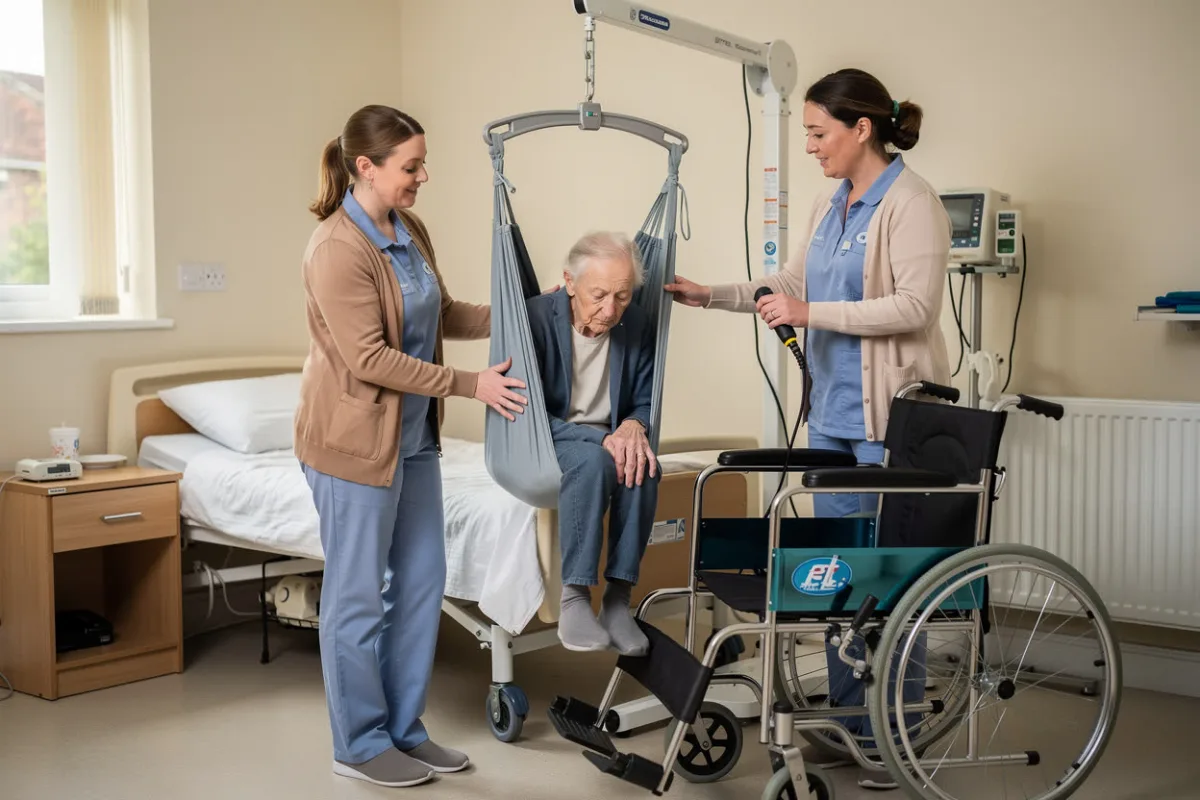
HSE distinguishes general assessment of a care setting from an individual moving and handling assessment. The individual plan should describe what the person can do independently, how they can participate, their weight-bearing ability, pain, fatigue, balance and any change over the day. It should specify the equipment, method and number of staff needed for each relevant transfer. Care needs, comfort, privacy and dignity belong in the decision.
Read the current plan before a transfer. A resident who could stand yesterday may be unwell today; a change in cooperation or mobility means the task needs reconsideration. If the documented method no longer works safely, stop and ask for a reassessment rather than improvising a manual lift.
Use the right equipment in the right way
A hoist, sling, transfer board or profiling bed only helps when it is suitable, available and used correctly. Check the equipment and accessories named in the plan. Make sure the sling type and size match the person and the hoist, and follow local checks and manufacturer instructions. Keep the route and working space clear. Report defects immediately.
Do not assume that a hoist always requires one carer or always requires two. HSE explains that the number depends on a suitable assessment of the person, transfer, setting and staff. A policy that simply says “no lifting” can also overlook a person’s ability and right to participate. The assessment should identify a safe, person-centred method.
Handle other loads as well as people
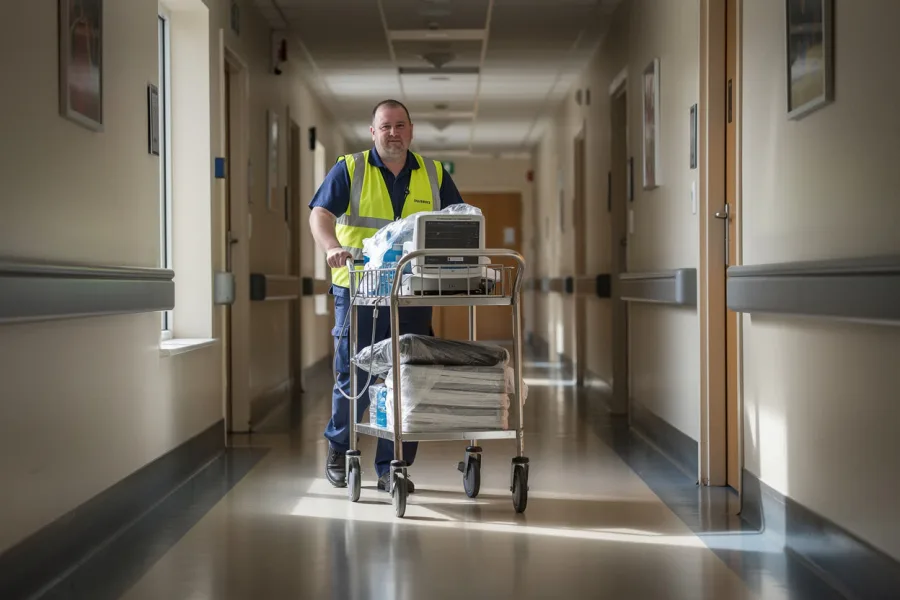
Care homes and home-care teams also move meal trolleys, linen, cleaning materials and medical supplies. Repeatedly carrying bags up stairs or lifting heavy cartons into a high cupboard can cause harm. Assess these tasks separately and improve delivery points, storage heights, package sizes and handling aids. Avoid letting the intense focus on resident transfers hide ordinary workplace loads.
Training needs to match the role
General manual handling learning can explain risk factors, planning and the principle of reducing unnecessary force. People handling requires additional, task-specific instruction in the methods and equipment actually used. HSE recommends practical work in training so a trainer can identify and correct unsafe technique. Supervisors should confirm that staff can apply the individual plan, and refresh instruction when needs or equipment change.
Agency and new staff need access to the relevant plan and local equipment information before they undertake a transfer. A certificate from a previous employer cannot tell them which sling, room layout or staffing arrangement applies here. Where tasks are complex, obtain competent specialist advice.
If a transfer goes wrong
Protect the person, summon help under local procedures and report the incident or near miss. Do not quietly repeat the same method on the next shift. Review the person’s condition, equipment, route, staffing and instructions. Encourage early reporting of discomfort or pain by staff so work can be adapted before an injury worsens.
A safer care system brings assessment, equipment, competence and communication together. For the general principles, staff can take our online manual handling course. Employers should then provide the person-specific moving and handling instruction the role requires.
Follow a clear transfer sequence
Before helping someone move, check the current care plan and ask what they can do. Confirm that the equipment named in the plan is present, suitable and checked, and that the planned number of staff are available. Prepare the space, explain the movement and watch for pain, distress or unexpected change. If an essential condition is missing, pause and seek support. The plan should be clear enough that staff do not have to invent a method under pressure.
After a difficult transfer, report what happened and update the team. A handover saying only “needed more help” is less useful than noting whether balance, fatigue, pain, room layout or equipment caused the problem. The assessor can then review the person’s plan and the service’s wider arrangements.
Can a general online course qualify someone to use a hoist? It provides basic principles, but the worker needs instruction in the actual equipment and assessed transfer. Is every transfer a two-worker job? No; the number follows an individual assessment. Should a worker catch someone who starts to fall? Staff need specific local instruction because trying to hold a person’s full weight without a plan can injure both people.
Manual Handling training online
Self-paced online course with an assessment and a downloadable certificate.
Keep the plan usable
Store the current plan where authorised staff can reach it during the shift. Use clear descriptions of equipment and actions, rather than unexplained abbreviations. Build time for staff to read updates at handover, and check that temporary staff know whom to contact if the plan and the situation differ.