What Do EHO Food Hygiene Inspections Check?
Food hygiene inspections can feel stressful, especially for a new café or takeaway. Their purpose is practical: a local authority authorised officer checks whether food is being produced and served safely. An Environmental Health Officer (EHO) may conduct the visit, although the authorised officer may have another food safety job title. In England, Wales and Northern Ireland, the findings can also inform a Food Hygiene Rating Scheme score for businesses covered by that scheme.
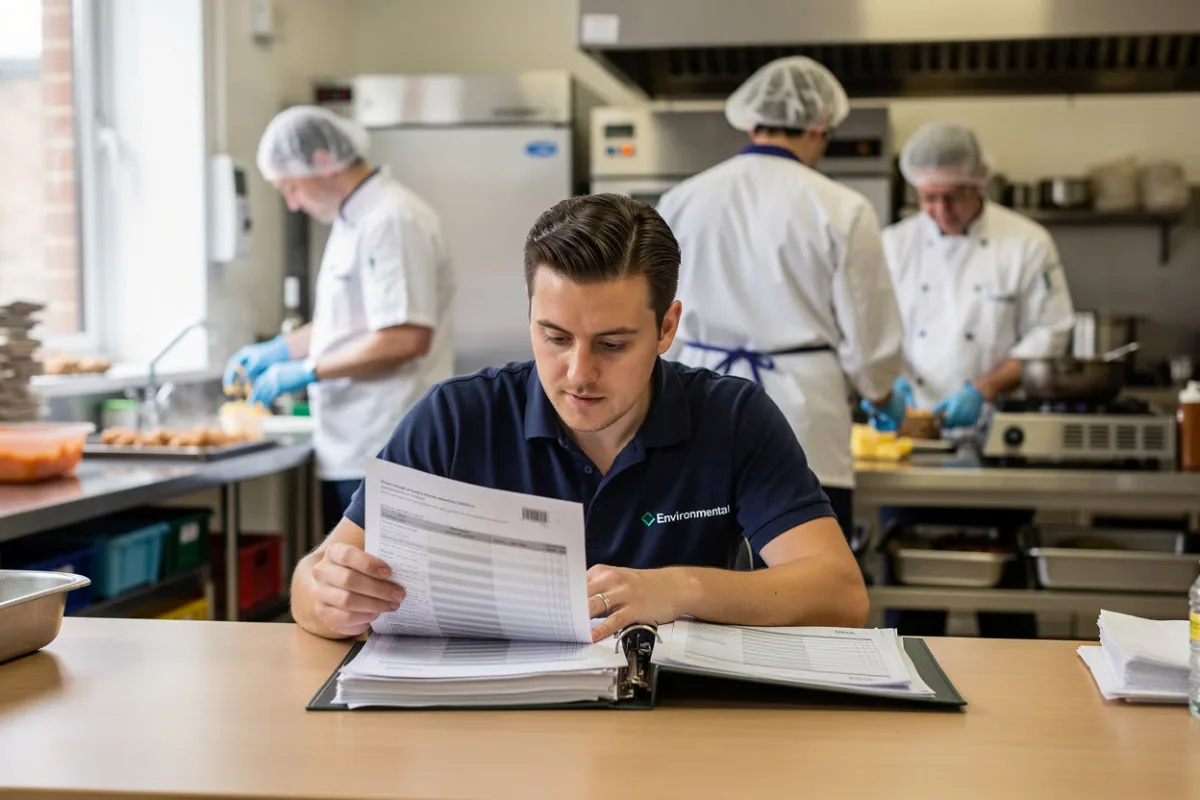
Food handling in the real kitchen
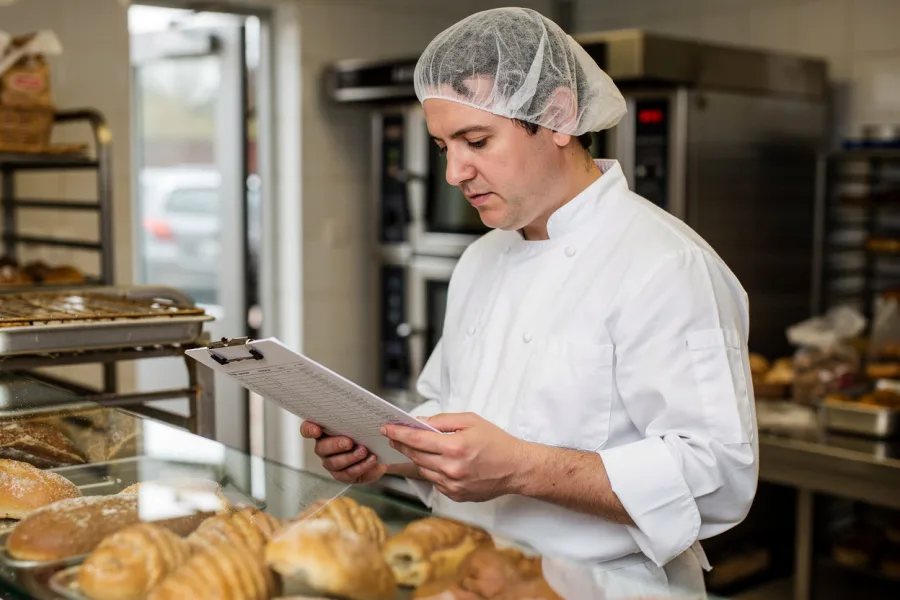
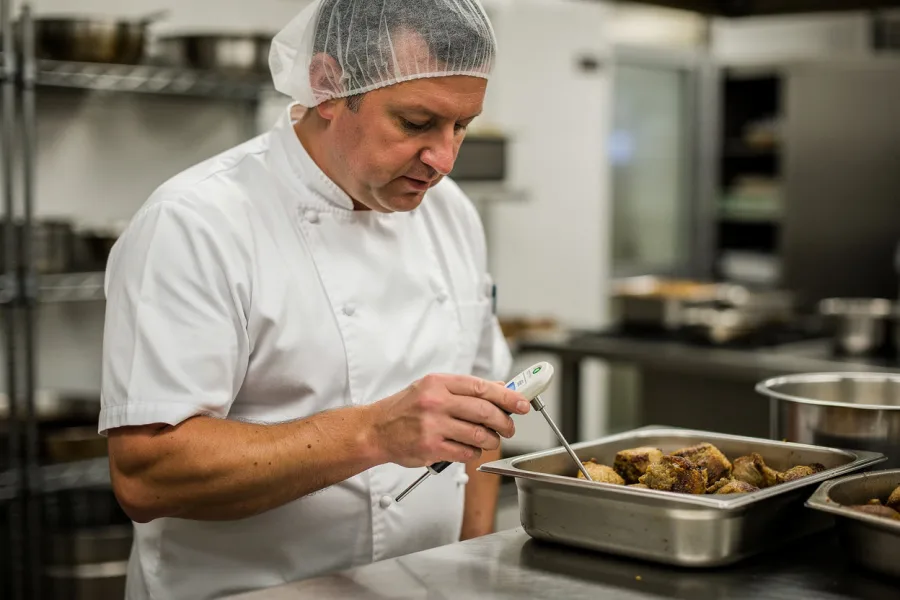
The officer may watch how staff receive, store, prepare, cook, cool and serve food. They can check whether raw products are kept apart from ready-to-eat foods, whether staff wash hands at the right moments and whether hot and chilled foods are controlled. A clean-looking worktop is not enough if a contaminated utensil moves between raw chicken and salad. Inspectors may ask staff to explain what they do when a probe shows a dish is undercooked.
They may look at allergen information and how staff answer a customer question. If the menu or supplier has changed, the written information needs to match what is actually served. Products prepacked for direct sale need the correct label where the rules apply. The business should be able to show who checks ingredients and how substitutions are handled.
Premises and equipment
Expect attention to cleaning and maintenance. The officer may inspect food rooms, preparation surfaces, storage, handwash basins, sinks, refrigeration, waste arrangements and signs of pests. They may look at hard-to-reach parts of equipment and test whether a stated cleaning method is being followed. A damaged board or slicer can become difficult to clean even if staff try hard.
Facilities must support safe behaviour. Soap, warm water and hygienic drying supplies should be available at suitable handwash points. Fridges need to operate reliably at temperatures that protect the food. Raw materials should be stored so they cannot contaminate ready-to-eat products. If the layout creates a recurring risk, a written instruction alone may not solve it.
Food safety management and records
Officers can ask to see the business’s food safety management procedures, commonly based on HACCP principles. For a small caterer in England or Wales, the FSA’s Safer Food, Better Business pack may provide the framework. Northern Ireland businesses can use Safe Catering guidance. They may review temperature checks, cleaning schedules, pest records, supplier information, training records and diary entries showing what happened when something went wrong.
Records are useful when they show active control. If a fridge log contains a high reading, the officer should be able to see what happened to the food, who corrected the equipment and whether the problem repeated. Backfilling perfect readings is worse than documenting a real problem and a sensible corrective action. Staff should be able to describe the procedure that the paperwork claims they follow.
How training helps
Handlers need suitable supervision, instruction and/or training for the tasks they perform. An officer may ask about training, but no universal rule requires every handler to present a particular certificate. A Food Hygiene for Catering Level 2 course can give staff a foundation. Managers responsible for the system can consider HACCP Level 3. Both need to be followed by site-specific practice and supervision.
Before a visit, ask a colleague to walk through the kitchen during a normal shift. Can staff show a clean probe, explain the separation of raw and ready-to-eat food, locate allergen information and describe what happens when a check fails? Fix gaps as part of daily management. Inspections may be unannounced, so a one-day tidy-up is a weak strategy.
After the visit
Read the officer’s report and ask for clarification where a point is unclear. Deal first with any immediate food safety risk, then assign owners and deadlines for other improvements. Keep evidence of completed actions and review whether the same issue could recur. The rating, where one is issued, reflects standards found at the inspection; it is not a permanent guarantee or a reward for paperwork alone.
The FSA’s food safety checklist is a useful preparation tool. Its first-inspection guidance explains what a new business can expect.
Catering Food Hygiene training online
Self-paced online course with an assessment and a downloadable certificate.
Questions worth practising with the team
Ask each worker to explain the controls at their station in their own words. Where is the current cleaning schedule? How is a probe disinfected between foods? What happens if chilled food arrives warm? Who checks a recipe before answering an allergen question? What record is made when a problem is found? The point is not to rehearse a speech for the officer. It is to find uncertainty while you still have time to correct it.
If answers vary, look at the method and supervision as well as the individual. A confusing instruction or inaccessible record can make good staff behave inconsistently. Update the procedure, demonstrate it and check again during normal service.
An inspector may take a sample or use their own thermometer where appropriate. Cooperate, explain your methods accurately and provide requested records. If you do not know an answer, find the responsible person or document; guessing can hide a real weakness that needs attention.