Manual Handling in Hospitality: A Practical Guide
Hospitality staff move food deliveries, beverage crates, linen bags, furniture and waste in spaces shared with colleagues and guests. The job can be fast, and routes may cross wet floors, stairs or narrow service corridors. A safer approach starts by organising the work and reducing unnecessary carrying. HSE identifies lifting and manual handling as one of the main health and safety risks in catering and hospitality.
Identify the handling jobs behind the service
Walk through a normal delivery, room turnaround and closing routine. Which loads are carried repeatedly? Are heavy boxes set down at floor level before being moved again? Do staff take laundry bags down stairs because a trolley cannot reach a lift? Are bins overfilled at the end of a shift? Record the task as it happens when the venue is busy, not only when the corridor is empty.
Ask the people who do the work. Kitchen porters, housekeepers, bar staff and delivery receivers may face different loads and routes. A single general assessment may miss the highest-risk activity for each team.
Redesign deliveries and storage
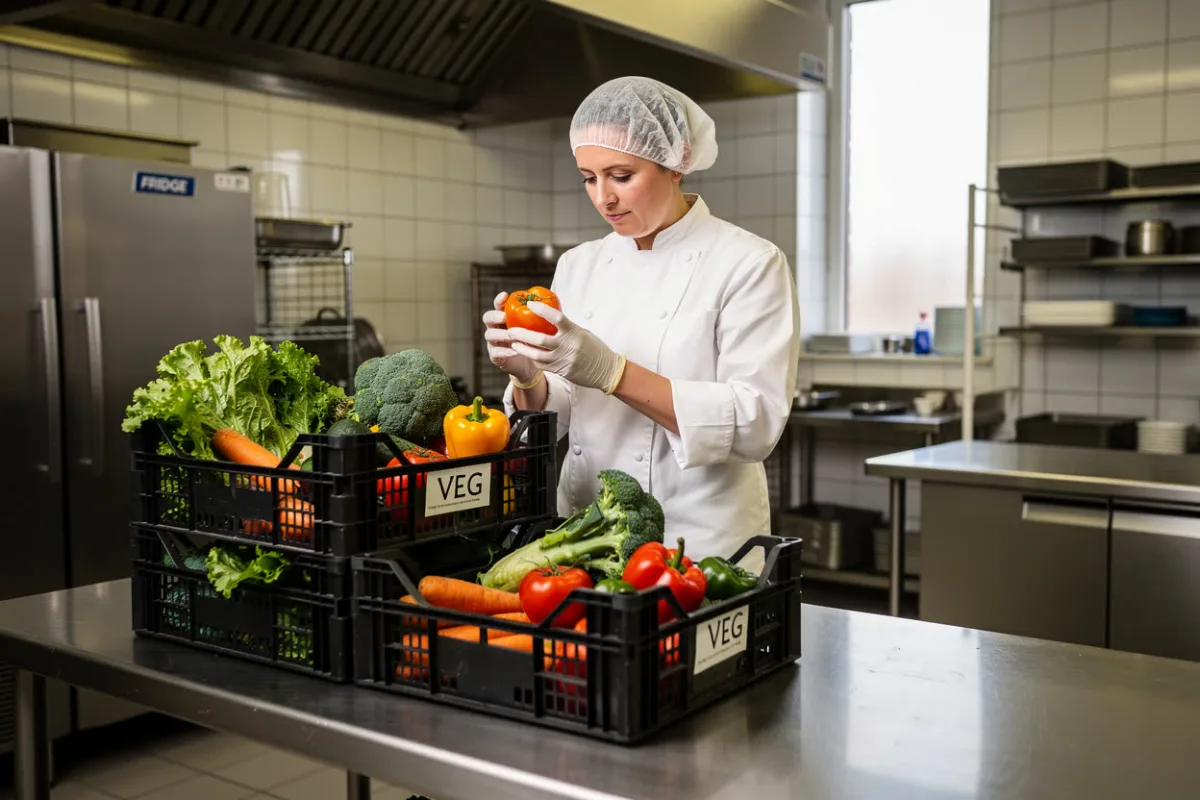
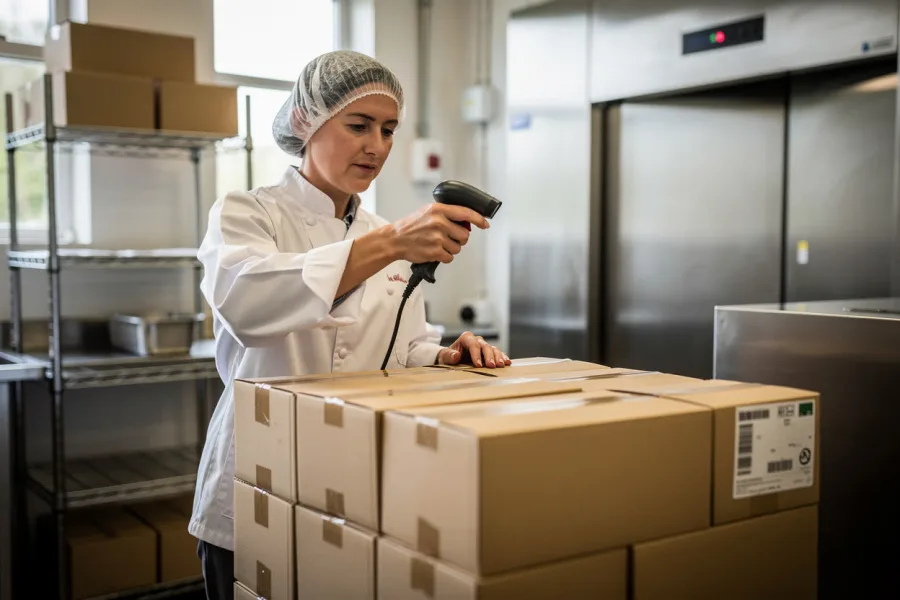
Agree delivery points that minimise double handling. Where possible, ask for smaller containers or split heavy orders into manageable units. Store frequently used heavy items between about knee and shoulder height when practical, keeping access clear. Avoid placing crates where workers have to reach across shelving or twist while lifting.
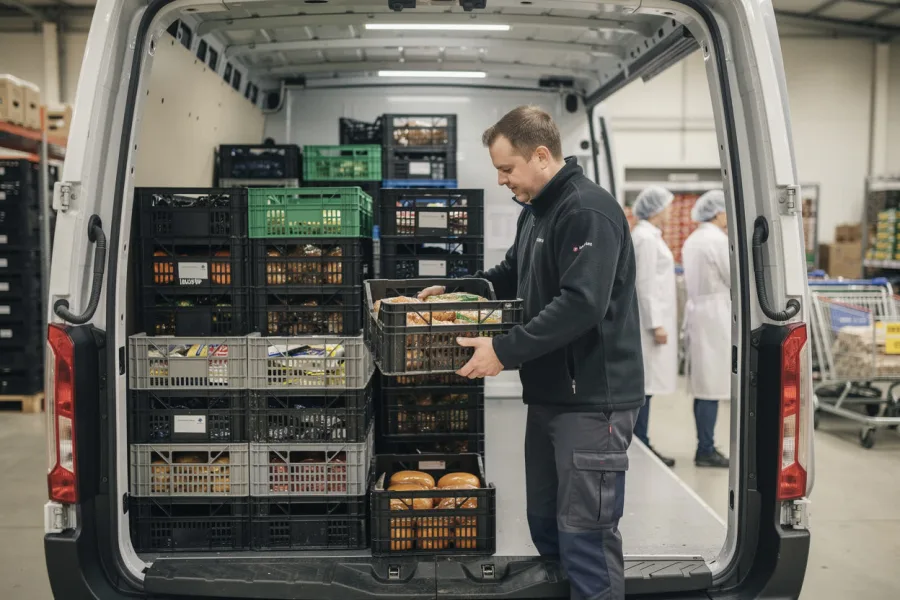
Hospitality spaces can be constrained. If a trolley does not fit through a doorway, consider the route and equipment before staff resort to carrying everything by hand. Check whether wheels work on the floor and whether staff can control the trolley on slopes or thresholds. Aids need maintenance as well as availability.
Watch for hidden risks
A bag of linen may be hard to grip and can grow heavier if overfilled. A full waste sack may conceal sharp objects. Stacked chairs can be unstable, and moving tables with another worker needs coordination. A beverage crate may be manageable once but demanding when repeated dozens of times. These features matter alongside weight.
Slips are another serious hospitality risk. A person carrying a box may not see a wet floor or obstruction. Keep routes clear, deal with spillages promptly and ensure adequate lighting. Do not ask staff to move a load across a surface that has become unsafe simply because service is busy.
Apply the legal approach
The Manual Handling Operations Regulations 1992 require employers to avoid hazardous manual handling where reasonably practicable, assess what cannot be avoided and reduce the risk. Use the task, individual, load and environment to guide the assessment. There is no fixed legal weight limit; the route, repetition, grip and worker all affect risk.
Choose controls that change the work: a better delivery point, smaller package, trolley, revised storage or an extra planned step in the workflow. Team lifting can help in some situations but is not a universal solution, particularly in cramped spaces or on stairs. Make sure the method is clear before the load moves.
Train and supervise for the actual venue
General training can teach staff to recognise risk, plan a move and stop when conditions differ from the plan. Follow it with local instruction on delivery routes, available aids, storage rules and reporting defects. New or temporary staff need this information before they are given the busiest handling jobs. Check that training is applied during real shifts and listen to reports of discomfort.
Review the arrangement when menus, stock, room layouts or delivery practices change. Our online manual handling course supports the foundation; pair it with task-specific instruction and improvements to how your venue moves goods.
Example: a hotel linen run
Follow a linen bag from collection to laundry storage. If staff bend into deep containers, overfill bags and carry them downstairs, there are several points to improve. Provide appropriately sized bags, place collection points at useful heights and use a trolley or lift route where suitable. Check whether a trolley fits service doors and whether its wheels work on the floor. Change collection frequency if bags become too heavy before pickup.
A trial with housekeepers may reveal problems that a manager misses during a quiet walk-through. Does the trolley block another route? Is a lift unavailable at certain times? Could bags contain concealed sharp objects? Adjust the process and give staff a way to report exceptions.
Is a team lift always the answer for tables or crates? No. Space, grip and timing must allow coordination, and suitable equipment may be better. Do casual staff need local instructions? Yes; induction should identify loads, routes, aids and whom to ask for help. Should every worker follow the same procedure? Core principles can be shared, but risks in a bar cellar, kitchen and guest room differ and need task-specific controls.
Manual Handling training online
Self-paced online course with an assessment and a downloadable certificate.
Check the busy period
Review the method during peak service, not only before opening. Extra stock, guest traffic and rushed cleaning can change a route considerably. If staff repeatedly leave a trolley behind because it will not pass through a crowded area, change the delivery time, parking place or route so the safer method remains practical.