Manual Handling Training: The Complete UK Guide for 2026
Lifting, carrying and moving loads by hand is part of nearly every job in Britain — and it is also one of the leading causes of workplace injury. This guide explains, in plain English, what manual handling training is, why the law expects you to provide it, and how to get your team certified.
What does "manual handling" actually mean?
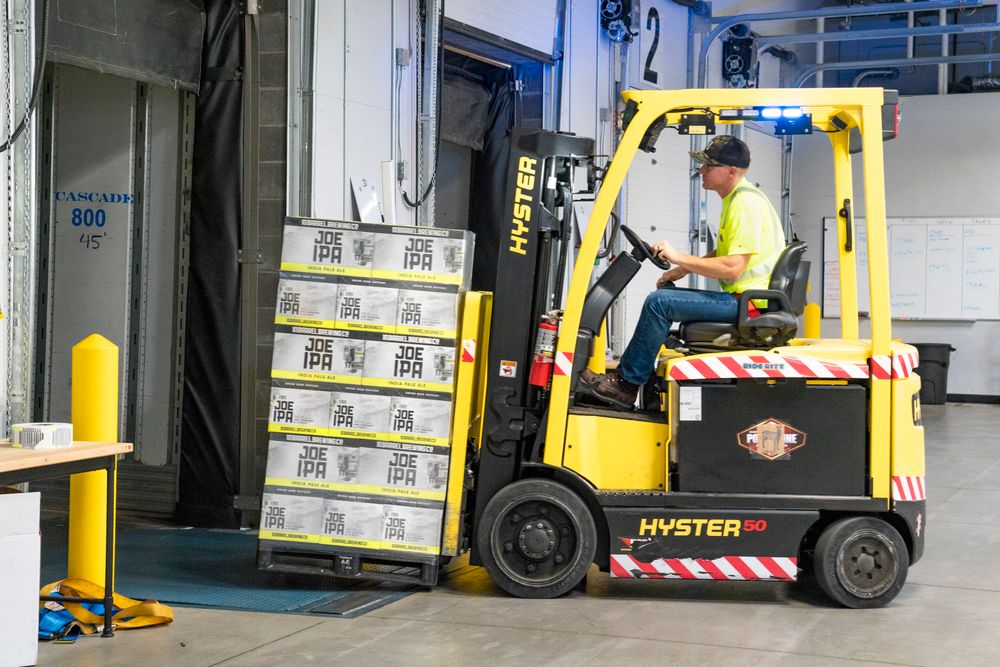
Manual handling is any activity where a person uses their own bodily force to move or support a load. That covers the obvious — lifting boxes, carrying stock, pushing trolleys — but also the easily overlooked, such as holding a patient steady, dragging a wheelie bin, or restraining a tool under tension. The load does not have to be heavy to cause harm; awkward shapes, repetition and poor posture can be just as damaging as raw weight.
Because the definition is so broad, very few workplaces are genuinely exempt. Warehouses, construction sites, care homes, shops, kitchens, offices and delivery rounds all involve handling of some kind, which is exactly why training is so widely needed across UK employers.
Why manual handling matters
The Health and Safety Executive (HSE) consistently reports that handling, lifting and carrying are among the most common causes of work-related musculoskeletal disorders. These injuries — strains, sprains, back problems and longer-term joint damage — rarely make headlines, but they account for a large share of lost working days every year. Official figures suggest the cumulative cost to businesses, in absence and reduced productivity, runs to a great deal of money.
An injury caused by poor lifting is almost always preventable. Good training turns "we got away with it" into "we never have to."
For the worker, the cost is personal: pain, time off, and sometimes a lasting limitation on what they can do. For the employer, it is operational and financial — and, where the law has been breached, potentially legal too.
The legal duty behind the training
Two pieces of UK legislation sit at the heart of this topic. The first is the Health and Safety at Work etc. Act 1974 (HSWA)which places a general duty on employers to ensure, so far as is reasonably practicable, the health, safety and welfare of their employees. The second is the Manual Handling Operations Regulations 1992 (MHOR), which builds specifically on that duty for handling tasks.
MHOR sets out a clear order of priority: employers should avoid hazardous manual handling where reasonably practicable, assess the risk of any handling that cannot be avoided, and reduce the risk of injury so far as is reasonably practicable. Training is one of the most effective ways to deliver that final step. To understand exactly how the regulations work, our guide to the Manual Handling Operations Regulations 1992 breaks them down clause by clause.
Key takeaways
- Manual handling means moving or supporting any load by bodily force — not just heavy lifting.
- It is a leading cause of workplace injury and lost working days in the UK.
- The HSWA 1974 and MHOR 1992 require employers to avoid, assess and reduce handling risk.
- Training is a recognised, practical way to reduce that risk and demonstrate compliance.
- Certificates are typically valid for three years and should be refreshed before they lapse.
What a manual handling course covers
A solid course does more than tell people to "bend your knees." Good training builds genuine understanding so that safe habits stick. You should expect it to cover:
- How the spine works and why poor technique causes injury over time;
- The legal framework — HSWA 1974 and MHOR 1992 — explained for everyday roles;
- How to spot a hazardous handling task before lifting;
- The principles of a manual handling risk assessment and the TILE approach;
- Safe lifting technique, step by step, from planning the move to setting the load down;
- When to use aids such as trolleys, hoists and team lifts instead of muscle.
Train in Manual Handling — the right way
Self-paced, HSE-aligned, certificate issued the same day — from £23 per person.
Who needs manual handling training?
In short, anyone whose role involves moving loads, and anyone who supervises people who do. That includes warehouse and logistics staff, carers and healthcare workers, retail and hospitality teams, tradespeople, cleaners, delivery drivers and office staff who shift stock or equipment. Managers benefit too, because they are the ones expected to assess tasks and organise safer ways of working.
Online vs classroom training
Both formats can deliver effective awareness and theory. Classroom sessions allow hands-on coaching, but they cost more, require scheduling and take people off the job. Online training is self-paced, far cheaper, and lets staff learn whenever suits them — which makes it ideal for awareness-level certification and for keeping large or shift-based teams up to date. Where a role involves unusually high-risk handling, an employer may choose to add practical, task-specific coaching on top.
How certification works
With our online course, learners work through clear modules, complete a short assessment and download a certificate the same day they pass. The certificate records who was trained and when, giving you the evidence you need to show inspectors, insurers and clients that you take your duties seriously. Most manual handling certificates are valid for three years, after which a refresher is recommended.
Manual handling training is one of the simplest, lowest-cost safety steps a UK business can take — and one of the most worthwhile. Our online course is just £23per person, fully HSE-aligned and certificated the same day. Enrol your team today and protect your people before an injury forces the issue.