TILE Manual Handling Assessment: A UK Guide
TILE is a memorable way to examine a manual handling operation: Task, Individual, Load and Environment. It helps a supervisor or worker ask better questions before lifting, carrying, pushing or pulling. It is a prompt, not an official certificate or a substitute for a suitable and sufficient risk assessment. The four headings reflect the factors in the Manual Handling Operations Regulations 1992 and HSE guidance.
T: Task
Look at the whole operation, not just the instant the load leaves the floor. How often is it repeated? How far is the load moved? Does the worker bend, reach overhead or twist? Is the pace imposed by a conveyor, delivery deadline or queue? Is there time to recover? A box that is manageable once may be a problem when it is lifted hundreds of times from the bottom of a pallet.
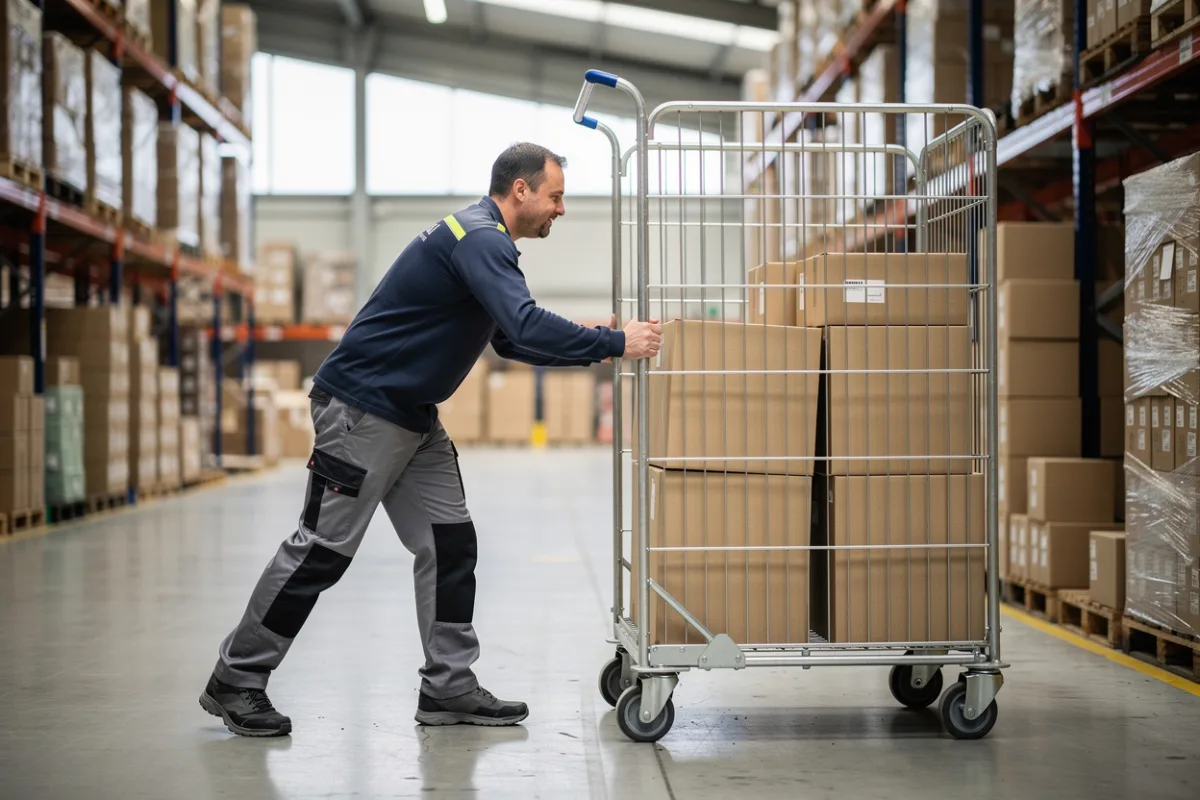
Record the most demanding part of the task. Watch a normal shift rather than a demonstration with an empty workspace. If the task involves pushing or pulling, consider the starting force, steering, stopping and any slope. HSE offers a separate RAPP tool for a more detailed look at those operations.
I: Individual
Consider the person who will do the work. Relevant factors include capability, experience, training, health conditions and any temporary limitation. Do not infer ability from age, sex or appearance. Ask whether the worker understands the local system, knows how to use the aid and can report discomfort without pressure to continue.
Pregnancy, an existing back problem or recovery from injury may require a different arrangement. Keep personal health details appropriately confidential, but make sure the assessment accounts for a worker’s actual needs. A task should not depend on everyone being able to lift like the strongest member of the team.
L: Load
Check weight, size, shape, grip and stability. A light but large item can block the view or force the arms away from the body. A box with a weak base may break during movement; a container of liquid may shift. Sharp edges, heat or contamination can add risk. Ask whether the load can be divided, supplied with handholds, packaged differently or moved with equipment.
Do not rely on a single “safe weight” number. The Manual Handling Regulations contain no universal maximum lifting weight. The same load can be low risk on a short, clear route and high risk when handled above shoulder height or across a wet floor.
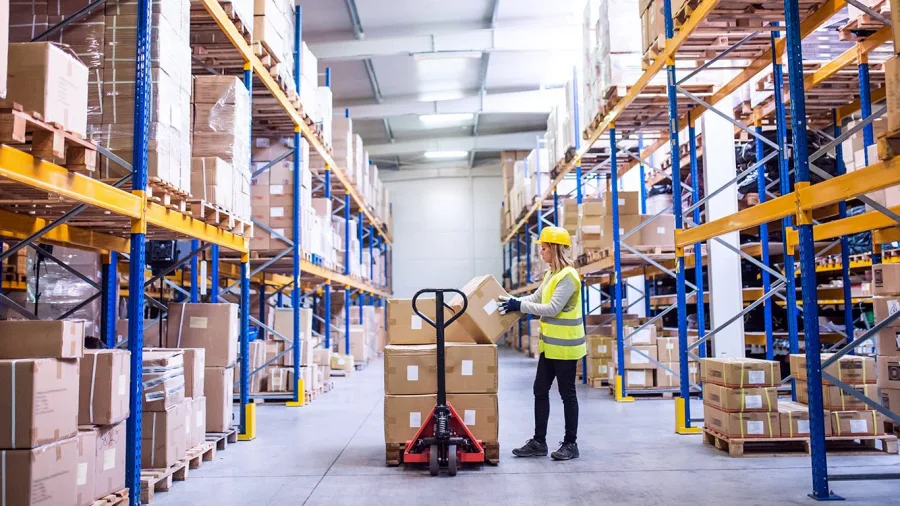
E: Environment
Inspect space, floor condition, lighting, temperature and the route. Check door widths and changes in level before choosing a trolley. Look for shelving that forces awkward reach, obstructions, poor access to the destination and interruptions from other traffic. Outdoor wind or rain may alter control of bulky materials. In care, the room layout and the person’s needs both affect a transfer.
An environmental change can make an otherwise familiar task unsafe. Do not continue automatically because the weight has not changed. Clear or redesign the route, choose another delivery point or use different equipment.
Turn TILE findings into controls
Start by removing the hazardous operation where reasonably practicable. If it remains, use TILE to identify what can change: alter the task frequency, provide an aid, reduce the load, change the route or assign a different method. Prioritise changes to the job before relying on reminders about lifting posture. Agree who will make each change and when.
Document enough detail to show the real task, who is affected, the controls and the review trigger. HSE’s MAC tool can help prioritise higher-risk lifting, carrying and team handling; it does not cover every situation. Revisit the TILE questions after a change, incident or report of discomfort.
For staff learning the principles behind TILE, our online manual handling course is a useful starting point. Apply those principles to the particular loads, people and routes in your workplace.
Worked example: a storeroom delivery
A worker moves sealed cartons from a delivery point to a high storeroom shelf. Under Task, note the number of cartons, the carry distance and the high final placement. Under Individual, check whether the worker can use the available trolley and has any relevant limitation. Under Load, establish the weight, grip and whether contents shift. Under Environment, check the floor, doors, lighting and shelf access.
Those findings point to controls. Have the delivery placed nearer the storeroom, move heavier cartons to a lower shelf, use a trolley that fits and reduce package size if possible. If high placement is unavoidable, select appropriate equipment and a planned method. Reassess the task after making changes. A TILE form earns its place by helping people change the operation.
Manual Handling training online
Self-paced online course with an assessment and a downloadable certificate.

Common TILE mistakes
Do not fill in headings from a desk without seeing the work. Do not write “staff trained” as the only control or turn Individual into a judgement that someone is strong enough. Do not overlook pushing, pulling or repeated lower-force work. Completing TILE does not mean a specialist tool or fuller assessment is unnecessary when a task is complex.